Originally Published as: Cosmetic or Functional?: Cosmetic Damage, Functional Damage, and Metal Roof Insurance Claims
Disclaimer: This article is for general informational purposes only and does not constitute legal advice.
Readers should consult qualified counsel regarding specific insurance, contract, warranty, or claim-related questions.
Trent Cotney is a partner and Construction Team Leader at Adams & Reese, LLP and NRCA General Counsel. You can reach him at 866.303.5868 or [email protected].
Metal roofing continues to gain market share because it offers durability, energy efficiency, design flexibility, and strong performance in severe weather. Those same advantages, however, do not eliminate insurance disputes. In fact, metal roof claims often create a distinct problem for owners, contractors, consultants, and carriers: determining whether observed damage is merely cosmetic or whether it affects the function, service life, or weather-resisting performance of the roof system.
This distinction matters because many property policies treat cosmetic damage differently from functional damage. A policy may cover direct physical loss caused by hail or wind, but it may also contain limitations or exclusions for cosmetic marring, denting, scratching, or changes in appearance that do not impair the roof’s ability to shed water or perform as intended. As a result, two roofs may sustain similar hail impact marks, but the coverage outcome may depend on the precise policy language, the roof system, the condition of the panels, and the evidence developed after the loss.
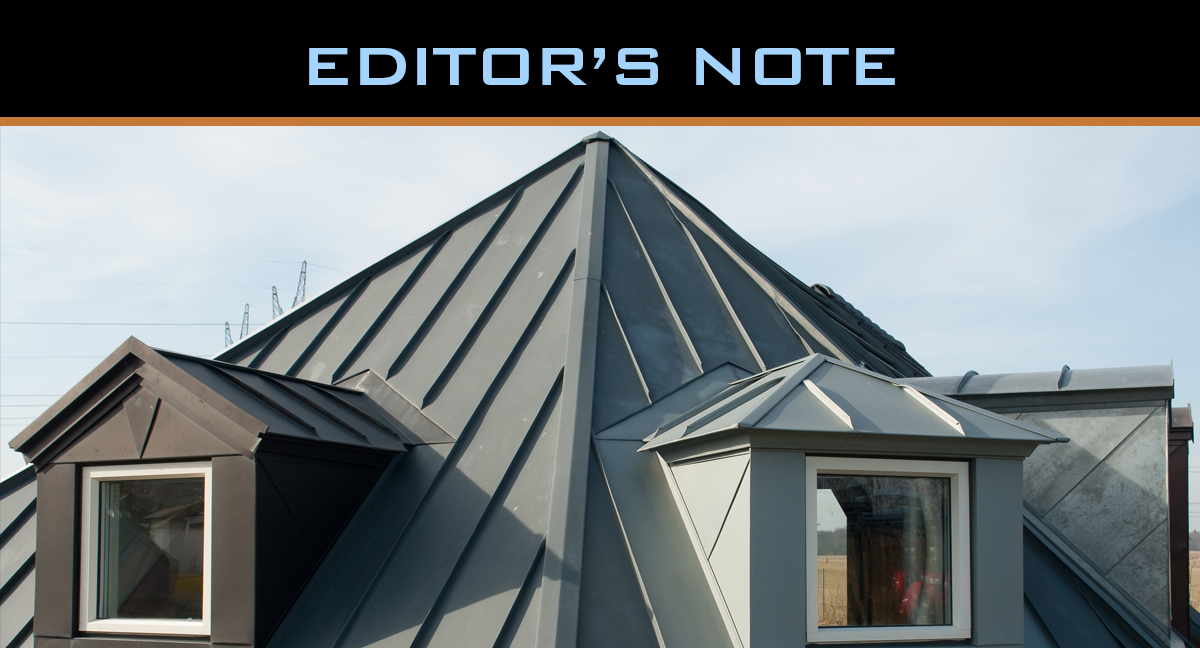
Cosmetic damage typically refers to visible alteration that affects appearance but not performance. On a metal roof, that may include small dents in panels, minor scratches to the finish, slight surface abrasions, or aesthetic distortion that can be seen from certain angles. Owners often view these conditions as damage because they paid for a finished architectural product. Carriers may view the same conditions as non-covered cosmetic change if the panels remain intact, the seams remain functional, the coating system remains protective, and no water intrusion exists.
Functional damage is different. Functional damage exists when the event compromises the roof’s ability to perform. Examples may include punctures, open seams, fractured sealant, damaged clips, or coating loss that exposes the metal substrate to corrosion. Functional damage may also exist when impact deformation demonstrably affects panel engagement, drainage, or another component necessary to the roof system’s performance. Aesthetic denting alone does not necessarily establish reduced service life or functional impairment. The key question is not simply whether the roof looks different after the event. The question is whether the damage materially changes how the roof performs.
Contractors can play an important role in this analysis, but they need to be careful. A contractor may inspect the roof, photograph conditions, identify damaged areas, prepare repair or replacement pricing, and explain construction-related observations. However, contractors should avoid acting as public adjusters unless properly licensed under applicable state law. There is a difference between documenting roof conditions and negotiating policy coverage on behalf of an insured. That line matters, particularly in states that aggressively regulate public adjusting activity.
Documentation often determines whether the claim remains a construction discussion or becomes an evidentiary dispute. The best records include pre-loss roof information, photographs, maintenance records, installation details, product data, warranty documents, weather reports, and a clear post-loss inspection. Photographs should show the overall roof, representative panels, seams, flashings, penetrations, drainage paths, interior leaks if any, and close-up views of alleged impact points. When possible, the inspection should distinguish between pre-existing wear, installation conditions, manufacturing issues, foot traffic damage, and storm-related damage.
Policy language should receive equal attention. Some policies include cosmetic damage exclusions specifically directed at metal roofs. Others may limit payment to actual cash value for older roofs, apply separate wind or hail deductibles, require prompt notice, or impose duties to protect the property from further damage. In some cases, the policy may cover resulting water damage even while excluding purely cosmetic panel damage. Contractors and owners should not assume coverage based solely on the presence of visible dents, nor should they assume a denial is correct without reviewing the policy and the factual basis for the carrier’s position.
Warranties add another layer of confusion. A manufacturer warranty may address coating performance, substrate corrosion, paint adhesion, or material defects, while a contractor warranty may address workmanship. Neither warranty necessarily tracks the insurance policy. Hail impact that leaves dents may not trigger a manufacturer warranty. Installation-related conditions may not constitute storm damage. Conversely, storm-created openings or compromised flashings may present an insurance issue even if a product warranty remains in place. Owners benefit when the contractor explains these distinctions early.
For metal roofing contractors, the practical takeaway is straightforward: treat insurance-related inspections as technical and evidentiary exercises. Avoid conclusory statements that every dent requires replacement or that every claim is covered. Instead, identify what you observed, explain why a condition does or does not affect roof performance, and support the conclusion with photographs, measurements, product information, and repair methodology. Precision helps the owner, protects the contractor, and gives the claim process a better factual foundation.
As metal roofing expands into more residential, commercial, agricultural, and institutional markets, insurance disputes over cosmetic versus functional damage will likely increase. Contractors who understand the distinction will be better positioned to assist owners, communicate with consultants and carriers, and avoid regulatory problems. The best approach is not to overstate the claim. The best approach is to document the roof, understand the system, respect the policy process, and focus on whether the roof still performs as designed.