Originally Published as: Metal Roofs and Rust: Setting the Record Straight

Rob Haddock is the CEO and founder of S-5! and the inventor of metal roof attachment solutions. A former contractor turned building-envelope scientist, Haddock has dedicated more than five decades to advancing the metal roofing industry. He is an award-winning roof-forensics expert, author, lecturer and educator, as well as the director of the Metal Roof Advisory Group, Ltd., a consulting firm specializing in metal roof design, installation and performance.
Metal roofing is one of the fastest-growing segments of the construction industry, with more than 2 billion square feet installed annually in the United States. Its share of both residential and commercial markets continues to climb—driven by durability, energy performance and long-term value.
Modern production technologies and the use of coated steel and aluminum have transformed metal from a niche premium option into a practical, cost-effective choice. Today, building owners and designers increasingly evaluate roofs based on life cycle cost and environmental impact rather than simply initial cost. With a service life up to 70 years, minimal maintenance requirements, and a recycle rate of more than 90%, metal roofing offers one of the most sustainable and economical solutions available.
Yet despite its proven track record, one misconception persists: the belief that metal roofs rust. In reality, when properly manufactured, installed and maintained, corrosion is rarely a concern. Understanding why—and how modern coatings and best practices prevent it—is key for specifiers, contractors and owners alike.
Corrosion Fundamentals and Coating Technology
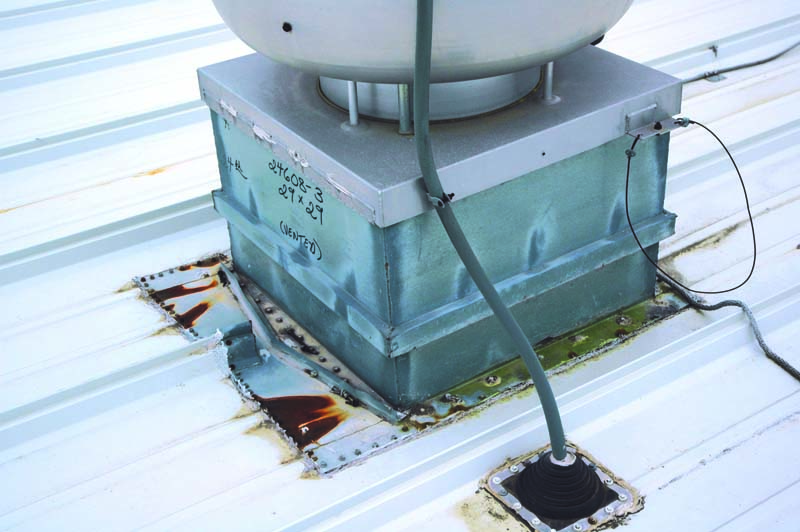
Rust is a specific form of corrosion that occurs when some metals such as iron or steel react with oxygen and water to form iron oxide, the reddish-brown flakes or spots we recognize as rust. Metal oxides (corrosion products) generally enhance protection of most base metals; however, steel is an exception. The oxides from steel (red rust) do not protect the base metal beneath.
This chemical reaction gradually degrades the metal’s surface, reducing strength and service life. Historically, unprotected steel panels were vulnerable to this process, but advancements in metallurgical coatings have changed the equation entirely.
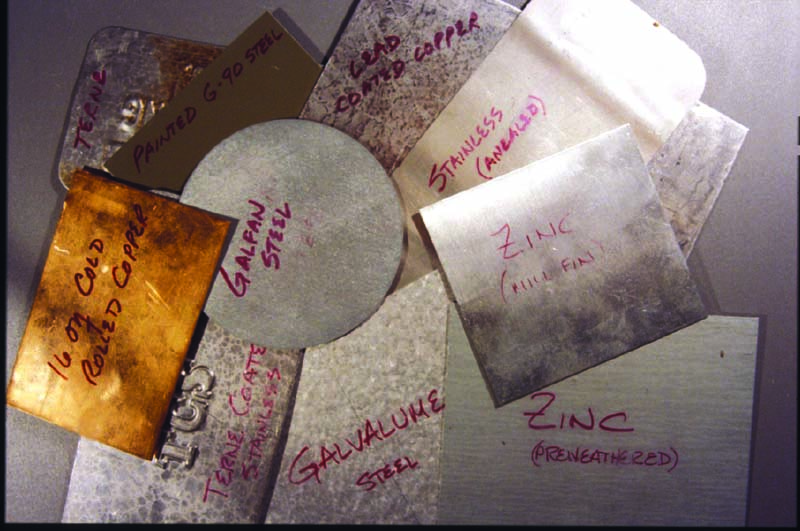
The top layer of your roof consists of panels and trim, which are directly exposed to the weather and the environment. Uncoated steel rusts easily, but this can be prevented or slowed by applying protective coatings like aluminum, zinc or a combination of both during material production known as Galvalume® sheet steel.
Co-invented in the 1960s by the late Angelo Borzillo and Jim Horton of Bethlehem Steel, Galvalume’s alloy—55% aluminum, 43.4% zinc and 1.6% silicon1—was developed to leverage the distinct properties of each element. Aluminum provides long-term barrier protection, while zinc maintains corrosion resistance even at cut edges and scratches. The silicon additive helps with adhesion during fabrication.
Applied through a continuous hot-dip process, the coating metallurgically bonds to the substrate, forming a uniform, corrosion-resistant surface. After cooling and drying, the metal panels are further treated, shielding them from corrosion while in storage.
This layered protection is further enhanced by paint and film systems, such as PVDF (polyvinyl di-fluoride), which deliver both aesthetic longevity and additional environmental shielding. When these coatings are applied and maintained correctly, the underlying steel is effectively isolated from the oxygen and moisture that drive corrosion.
Installation Practices That Preserve Performance
Even the most advanced coatings can only perform as well as the installation allows.
Inadequate storage practices, insufficient attention to detailing or improper sequencing of construction activities can lead to localized conditions that promote corrosion. Stacked panels without ventilation can trap condensation, while insufficient drainage or mechanical attachment detailing can allow water to collect at joints or under trim.
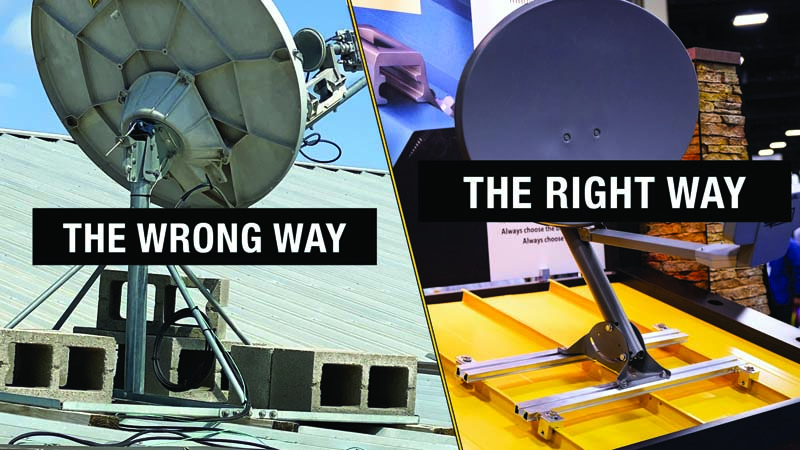
Coordination among the skilled trades is critical during installation, especially, around roof penetrations. HVAC units, snow retention systems and other roof mounted components should be integrated into the design phase to avoid field modifications that breach coatings or trap debris.
Metal Roof Attachments
Selecting the correct attachments and fasteners for a metal roof is essential to reducing the risk of rust and ensuring long-term performance. Roof panel manufacturers should always provide clear guidance on which attachment and fastener types are compatible with their products to prevent corrosion-related issues.
Whenever possible, fasteners should be made of the same material as the roof or wall system to avoid dissimilar metal corrosion. If that is not possible, the fasteners should offer at least the same level of corrosion resistance as the material being fastened. For example, galvanized steel fasteners should not be used with aluminum wall cladding systems, as this combination can accelerate corrosion of the fastener.
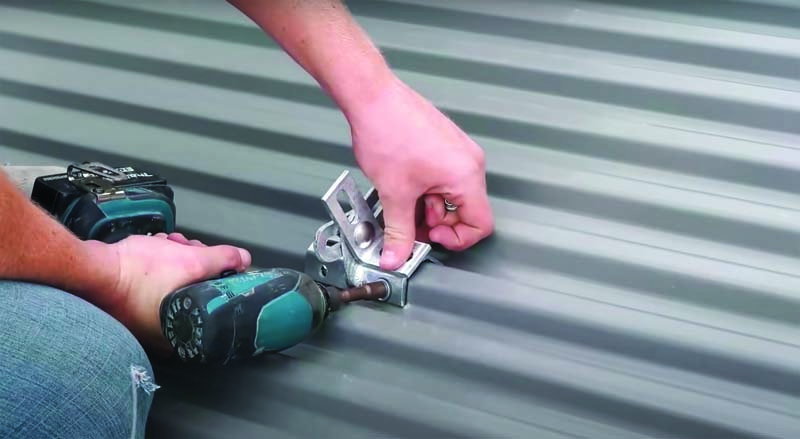
Swarf—metal shavings and debris produced during machining operations such as drilling and cutting—can also contribute to rust formation. On exposed-fastened roofs, swarf is commonly generated when self-drilling screws are used to attach panels or roof accessories. As the screws penetrate the metal, they remove material and deposit it onto the roof surface, creating potential sites for rust stains.
To mitigate this issue, attach accessories with self-piercing screws when possible. These screws are designed to penetrate the panel without removing metal, significantly reducing swarf. This approach helps preserve the roof’s aesthetic, minimizes corrosion staining, and maintains the overall integrity of the roofing system.
Maintenance, Detailing & Long-Term Durability
While metal roofs require almost no maintenance, routine inspection remains one of the most effective methods of ensuring system longevity. Visual checks for coating integrity, trapped debris or incompatible-material contact can prevent minor issues from becoming major failures. Cleaning organic debris from panels, gutters and valleys ensures proper drainage and prevents trapped moisture.
Industry professionals should also remain aware of seemingly minor sources of corrosion. For instance, fire-retardant or preservative-treated lumber should not come into contact with metal roofing (with the exception of copper roofs). The preservative chemicals can leach onto panels, become wet, dissolve and chemically attack the metal surface, accelerating deterioration.
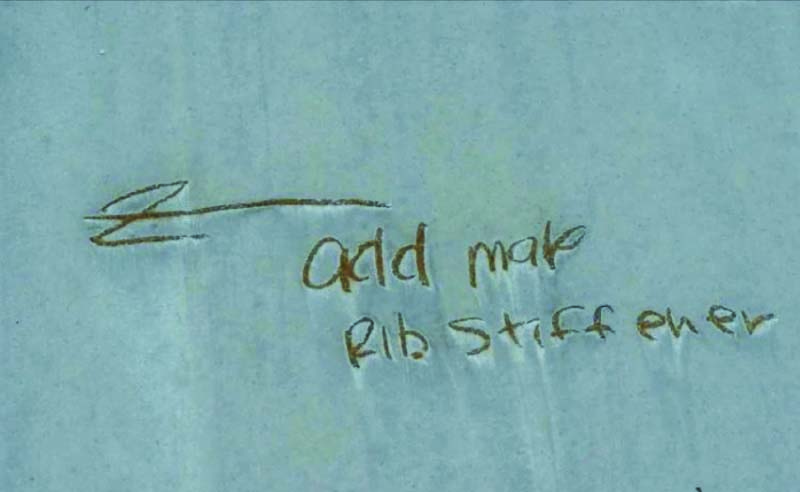
Likewise, graphite pencils should never be used for layout or marking, as graphite is electrically conductive and can initiate corrosion on surfaces like Galvalume. A felt marker should be used instead.
With appropriate coatings, proper installation and regular maintenance, corrosion risk in metal roofing is minimal. Field experience and long-term studies consistently show that properly designed systems perform reliably for decades.
Main Takeaway
The idea that metal roofs inherently rust no longer reflects modern material science or industry practice. Advances in alloy coatings, fastener technology and installation standards have made corrosion a controllable and largely preventable factor.
For roofing professionals, the key lies in system integration—understanding how materials interact, how oxide layers behave, how water moves and how to maintain protective barriers throughout the roof’s service life. When these principles are followed, a metal roof becomes more than a durable covering; it becomes a high-performance building envelope that delivers structural integrity, efficiency and longevity unmatched by most other materials.
For more information on this topic and others, check out the technical resources at www.metalconstruction.org.