Originally Published as: AceClamp: Quality, Innovation, and the Test of Time
In business, quality and innovation are often discussed as separate virtues. Innovation captures attention because it introduces something new—a fresh idea, a better process, a breakthrough product. Quality earns trust because it ensures that innovation performs reliably, consistently, and effectively. Yet history teaches us that neither quality nor innovation alone is enough to build a lasting legacy.
The true measure of both is the test of time.
Many innovations arrive with great fanfare only to disappear as quickly as they emerged. Likewise, products known for quality can lose relevance if they fail to adapt to changing needs and technologies. The organizations that endure—those that survive economic upheaval, technological disruption, and shifting markets—are the ones that successfully balance innovation with an unwavering commitment to quality.
Few companies embody this principle more clearly than AceClamp and the century-long manufacturing legacy from which it emerged.
Today, as we celebrate 100 years of business achievement, we are not simply recognizing longevity. We are honoring a century of ingenuity, resilience, craftsmanship, and people who repeatedly proved that success belongs to those willing to innovate while never compromising on quality.
Every great legacy begins with a story.
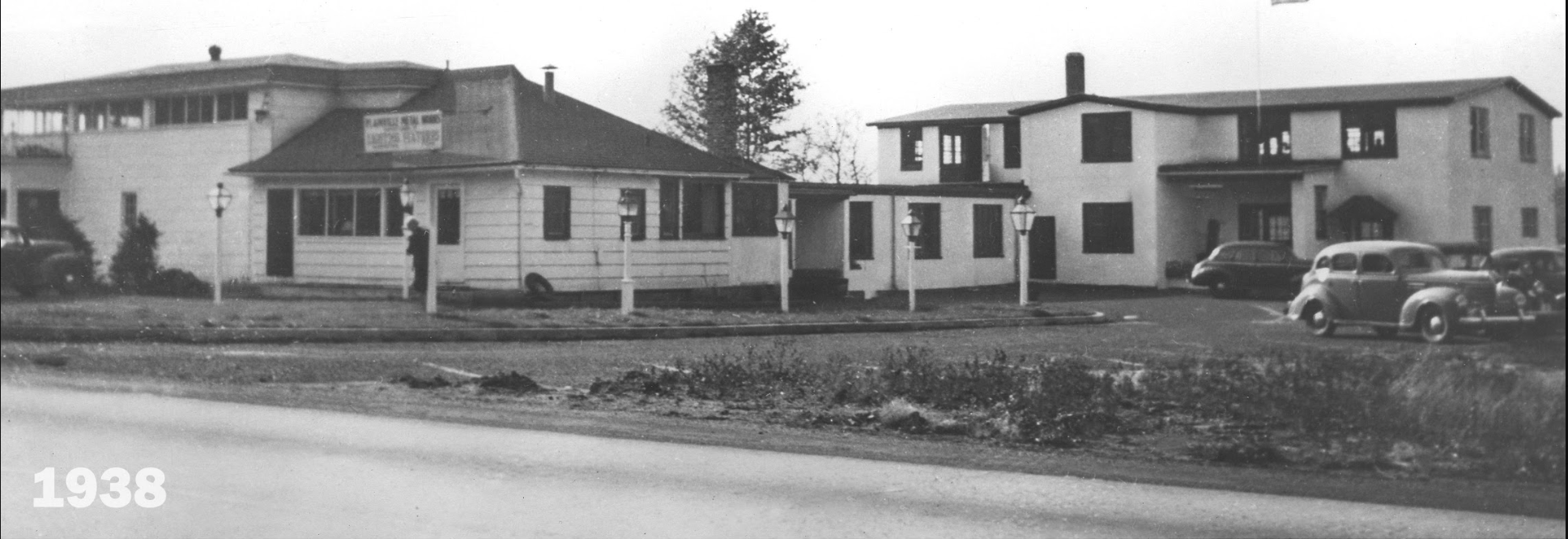
The story began in 1926 during the Roaring Twenties, an era defined by industrial growth, optimism, and entrepreneurial ambition. Arthur “Art” Wasley was working for the National Marine Lamp Company in Forestville, Connecticut, when a seemingly ordinary question changed the course of history.
While attending a boat show, Art was asked whether his company could manufacture a particular light. His answer was simple but bold:
“The company cannot—but I can.”
With the assistance of Frank Faniola, Art built that first light in the cellar of his home and delivered it to a satisfied customer. The quality of the product quickly generated additional demand. Unfortunately, word also reached their employer. Soon both men found themselves unemployed.
What might have appeared to be a setback became the foundation of a new enterprise.
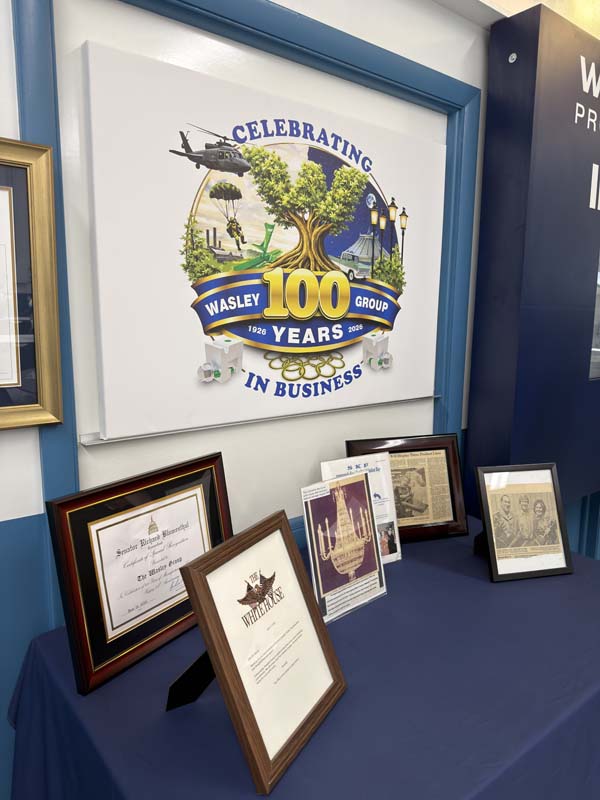
From the beginning, quality and innovation worked hand in hand. Art did not merely promise a solution—he delivered one. He identified a need, applied ingenuity, and produced a product that earned trust. That combination became the defining characteristic of the company for generations to come.
The decades that followed tested that commitment repeatedly.
The company endured the Great Depression, one of the most difficult economic periods in American history. Like countless businesses of the era, survival required adaptability and determination. Yet rather than retreat, the company continued searching for opportunities to serve customers through new products and capabilities.
In the years leading up to World War II, the product portfolio expanded dramatically. The company produced postal scales, garden sprayers, derby hat stretchers, egg piercers, and even water dispensers for feeding chickens. While these products may seem unrelated today, they reflected a mindset that would define the organization’s future: a willingness to innovate, diversify, and solve practical problems wherever opportunities existed.
Then came another challenge.
As the United States mobilized for World War II, metals became unavailable for all but essential civilian products. Lighting production nearly came to a standstill. Once again, adaptation became necessary. Temporary product lines of wooden toys and giftware were introduced. More importantly, the company shifted its manufacturing expertise toward supporting the war effort.
From 1941 through 1945, Wasley manufactured ripcord assemblies critical to military operations. The company’s ability to pivot during a time of national crisis demonstrated a lesson that remains relevant today: innovation is not merely about invention; it is about responding effectively to changing circumstances.
The results were extraordinary. By 1976, Wasley had produced more than five million ripcord assemblies and had become the free world’s only producer of complete ripcord assemblies.
The return of peace brought new opportunities.
Lighting production resumed, but not in the same way as before. The company adopted a new philosophy, moving from custom-order manufacturing to production-based manufacturing. This shift reflected a deeper understanding of evolving market needs and demonstrated the willingness to challenge established practices.
At the same time, another opportunity emerged that would significantly shape the company’s future.
In the early 1950s, Wasley entered the bearing seal market. What began as a promising opportunity grew steadily until, by the mid-1970s, bearing seals accounted for more than 70 percent of company sales. This transformation illustrates one of the most important principles of long-term success: organizations must be willing to recognize emerging opportunities and invest in them before they become obvious to everyone else.
Innovation creates opportunity, but quality converts opportunity into sustainable growth.
Customers do not continue purchasing products for decades because they are novel. They do so because those products perform reliably, solve problems effectively, and deliver consistent value. Quality builds the trust that allows innovation to endure.
That philosophy also guided the company’s physical growth.
In the early 1960s, company leaders began searching for a location where a modern manufacturing facility could be built. Groundbreaking began in September 1963 on what would become the Spring Lane facility. By 1964, operations had moved into the new building where much of the company’s history continues today.
The facility became home to three major product lines: lighting, ripcords, and rubber molding. It represented more than expansion. It symbolized confidence in the future and a commitment to investing in capabilities that would support generations of growth.
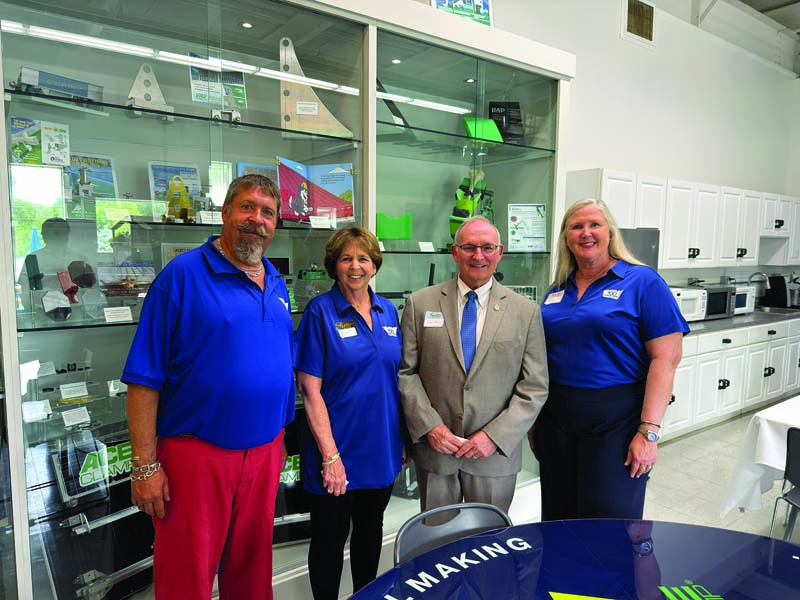
That investment paid dividends.
In 1985, responding to increasing customer demand for plastic injection molded components, Wasley expanded further by assuming ownership of Precision Molding Company. As markets evolved, each product line experienced growth, transformation, and strategic shifts. Some businesses were eventually sold. Others evolved into new opportunities.
This willingness to adapt without abandoning core values became one of the defining strengths of the organization.
The most significant example emerged in the medical field.
In the early 1980s, a conversation between friends led to an opportunity that would impact patient care around the world. James Bailey approached Alan Wasley seeking assistance in manufacturing a specialty device designed to support patients during hip surgery.
The device, originally developed and patented by Dr. George McGuire, an orthopedic surgeon for the Green Bay Packers, had never been commercially manufactured. Together, they brought the product to life.
The McGuire Pelvic Positioner—later known worldwide as the Universal Lateral Positioner—became the foundation of Innovative Medical Products (IMP).
The success of IMP demonstrates how quality and innovation can transform an idea into an industry-leading enterprise. Since its founding, IMP has worked closely with orthopedic surgeons and medical professionals to develop increasingly advanced patient-positioning solutions. Through continuous innovation, rigorous quality standards, and close collaboration with healthcare providers, the company became a global leader in orthopedic positioning devices.
Importantly, IMP’s achievements were never solely about manufacturing products. They were about improving outcomes for patients and providing surgeons with tools that enhanced care.
That focus on meaningful innovation remains central to every successful business.
Innovation matters most when it improves lives.
The same spirit of precision and excellence extended beyond healthcare.
In July 1989, the Wasley team contributed to one of the most important technological advancements of the modern era: the Global Positioning Satellite System for the United States Navy. Working on components used within the Navstar satellite constellation, the company produced a small but critical bonded seal used in a network of satellites that transformed navigation worldwide.
The component itself was modest in size.
Its impact was not.
This achievement serves as a reminder that quality is often measured not by visibility, but by reliability. Some of the most important products in the world are components that few people ever see. Their value lies in their ability to perform flawlessly when needed.
That principle is especially relevant when considering AceClamp.
Like many enduring manufacturing organizations, AceClamp operates in a space where success depends on performance, consistency, and trust. Customers rely on products that must function safely and effectively under demanding conditions. In such environments, quality cannot be optional. It becomes the foundation upon which innovation is built.
AceClamp’s success reflects the same values that have guided the Wasley organization for a century: understand customer needs, solve problems creatively, manufacture with precision, and continuously improve.
Innovation keeps organizations relevant.
Quality keeps them respected.
Together, they create staying power.
That is ultimately what the test of time evaluates.
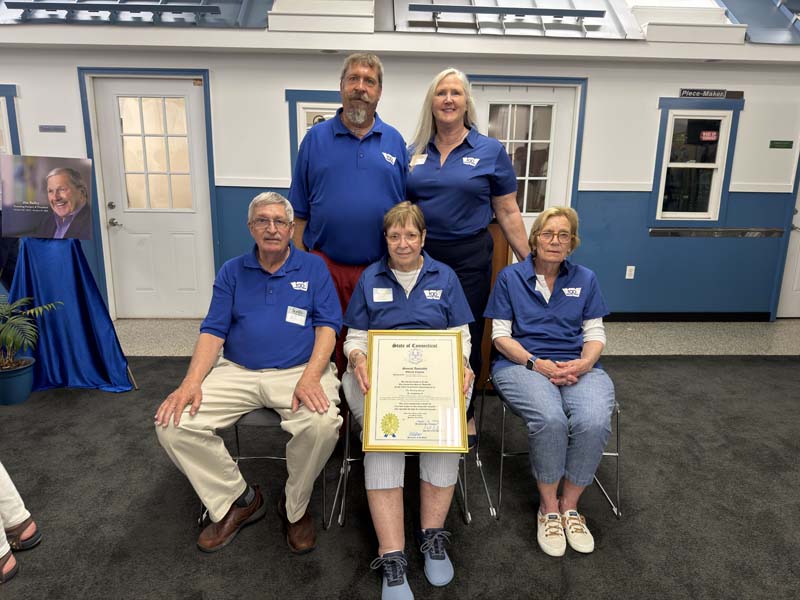
It is not a measure of popularity or short-term success. It is an assessment of durability, usefulness, adaptability, and trustworthiness. It asks whether an organization can continue creating value despite changing technologies, evolving customer expectations, economic uncertainty, and competitive pressures.
For one hundred years, the answer has been yes.
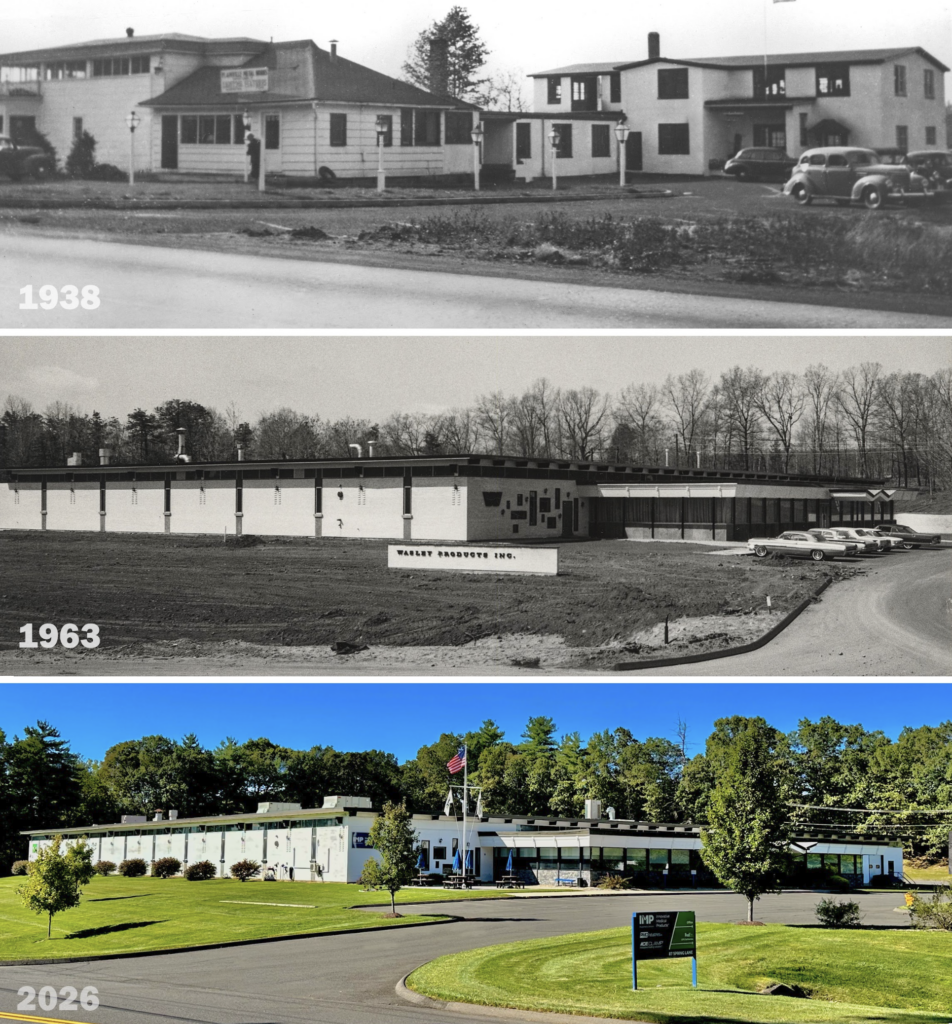
The story of this organization is not simply a story about products. It is a story about people—entrepreneurs willing to take risks, engineers committed to solving problems, employees dedicated to excellence, customers who placed their trust in the company, and family members who carried forward a vision across generations.
Today, representatives of the third, fourth, and fifth generations of the Wasley family continue that legacy. Their presence serves as a powerful reminder that enduring success is never accidental. It is built through years of hard work, thoughtful leadership, and a commitment to values that transcend any single product or market.
Standing together today among Innovative Medical Products, PMC Industries, and AceClamp, we celebrate not only what has been accomplished but what remains possible.
The first century demonstrated the power of innovation guided by quality.
The next century will require the same commitment.
New technologies will emerge. Markets will evolve. Customer expectations will continue to change. Yet the fundamental principles that built this organization remain timeless. Listen to customers. Solve real problems. Pursue excellence. Embrace change. Never stop improving.

Quality gives innovation its staying power.
Innovation keeps quality relevant.
Together, they create the kind of value that endures long after trends have faded.
One hundred years ago, a simple statement launched an extraordinary journey: “The company cannot—but I can.”
That entrepreneurial spirit still lives within this organization today.
It lives in every product manufactured, every challenge solved, every customer served, and every employee who takes pride in making things happen.
A century behind us.
A future in motion.
And if the first hundred years have taught us anything, it is that when people are united by purpose, innovation, determination, and an unwavering commitment to quality, there is no limit to what the next century can achieve.