Originally Published as: Metal in the Mountains: Top Considerations for Design & Installation in Snowy Mountainous Regions
Harsh weather, challenging terrain, and long-term performance all must be considered when designing and installing metal roofs in mountainous regions. While every project is different, ten key factors consistently rise to the top—each with its own challenges and practical, proven solutions.
1. Heavy Snow Loads
Mountainous areas often experience significant snow accumulation. High elevations in the Rockies, for example, can receive 300–500 inches of snow each year. These heavy loads can stress roof structures, deform panels, or even lead to failure if systems are poorly supported. To reduce risk, roofers should verify local ground snow load requirements, specify stronger framing members, and select metal panels with high structural ratings. Steeper roof pitches also help shed snow naturally, limiting excessive buildup.
2. Ice Dams and Freeze-Thaw Cycles
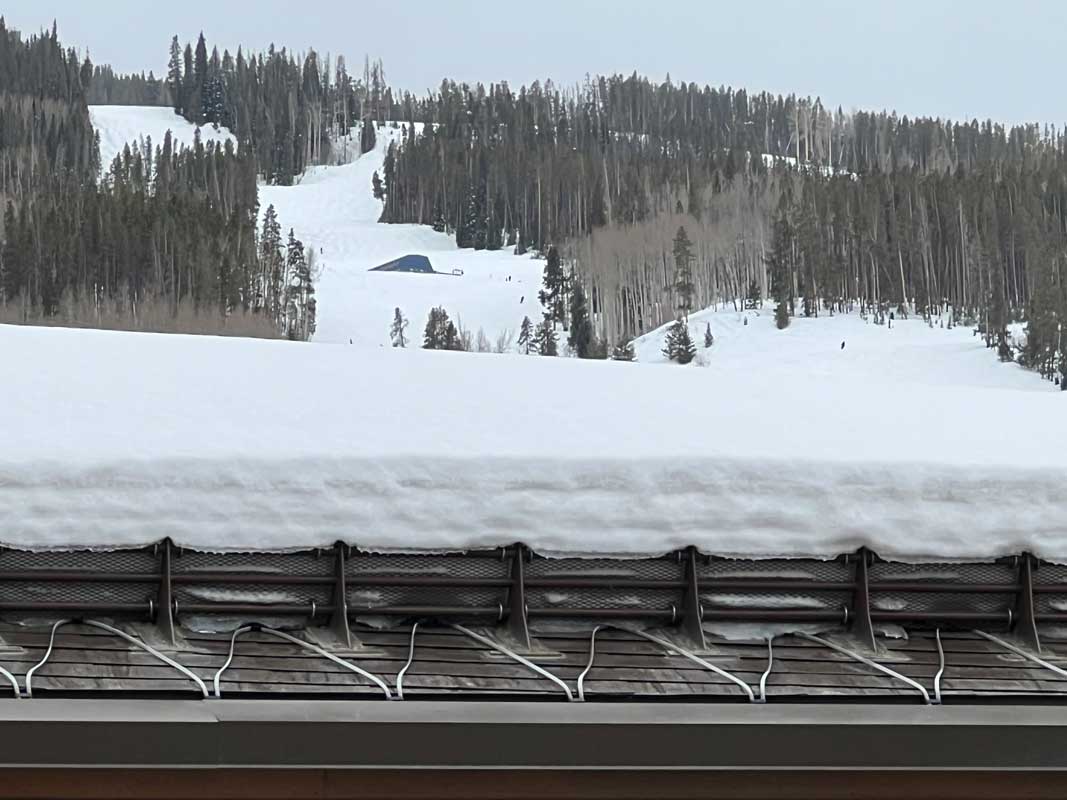
Frequent temperature swings cause snowmelt to refreeze at the eaves, forming ice dams that can force water beneath roofing materials. While metal roofs resist water intrusion better than many alternatives, proper ventilation, continuous underlayment, and extended drip edges are essential. Heated cable systems and carefully designed insulation can further minimize problems associated with freeze-thaw cycles.
3. Snow Sliding and Avalanche Control
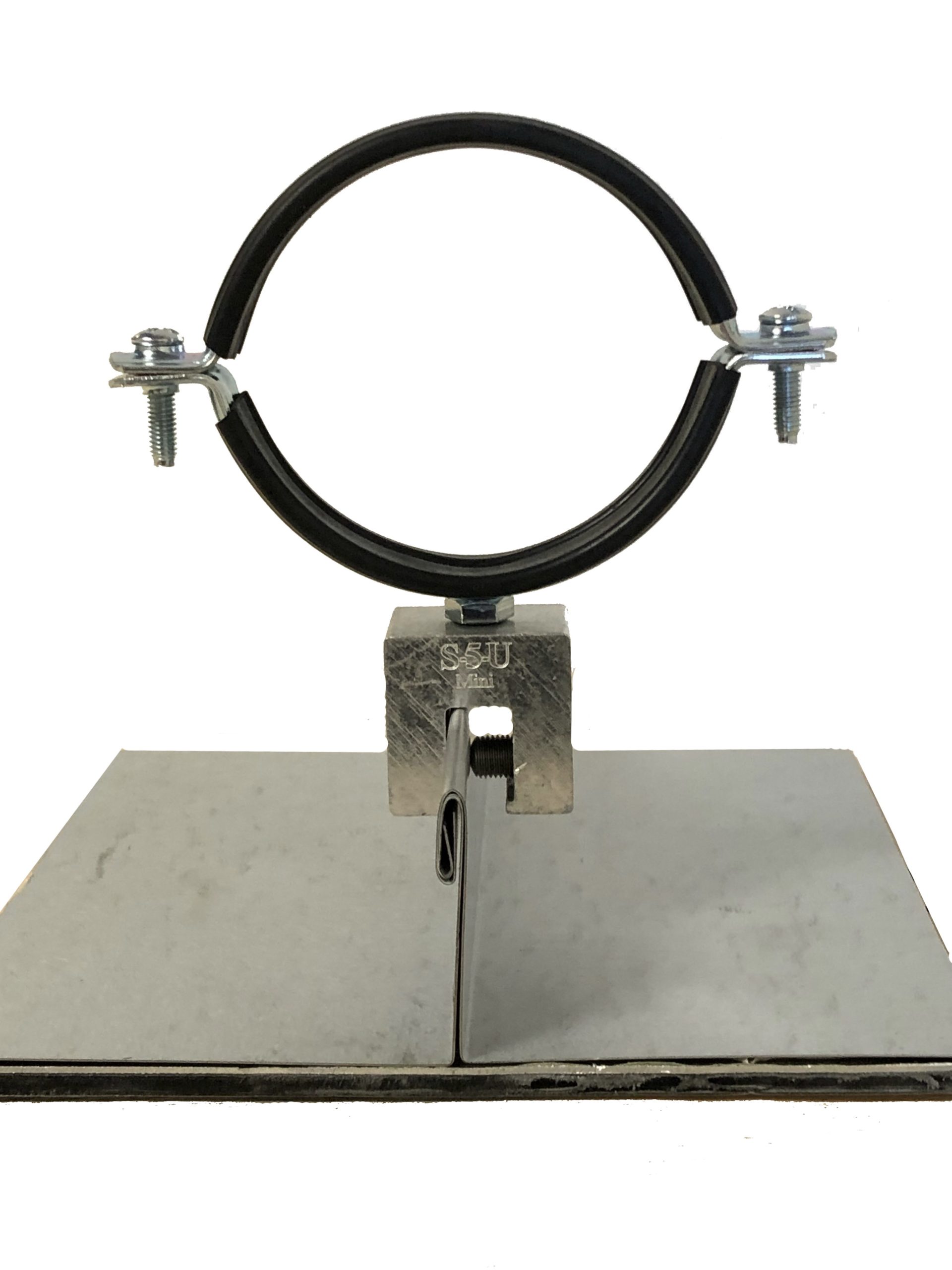
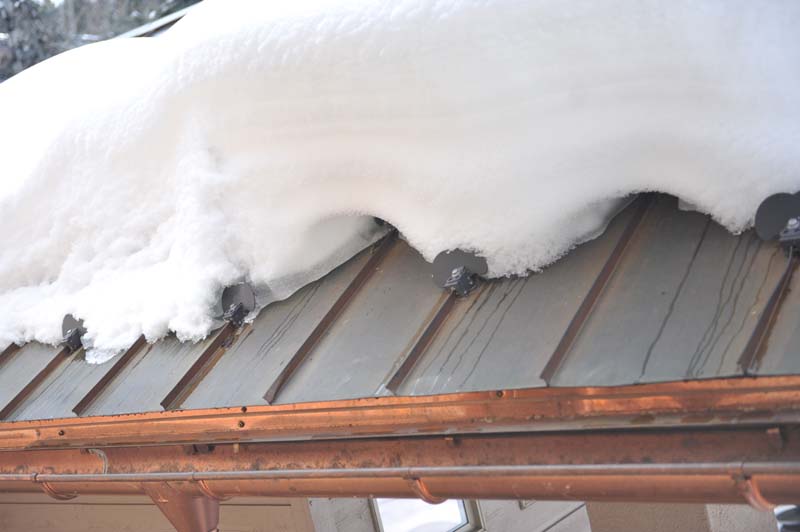
Metal roofing sheds snow efficiently—until sliding snow becomes a safety concern. In regions with heavy snowfall, sudden snow slides can damage gutters, landscaping, and walkways below. Engineered snow-retention systems, such as snow guards or bar systems, help hold snow in place and allow it to release gradually. Proper placement, following manufacturer guidelines, is critical to performance.
4. High Winds and Uplift Forces
Mountain passes and ridgelines often channel wind, increasing uplift pressures on roofing systems. Panels may rattle, loosen, or detach if they’re not designed for local wind conditions. Roofers can address this by specifying high-wind-rated panels, using appropriate fasteners at increased frequencies, and ensuring clips and seams are engineered for uplift resistance. A securely fastened underlayment adds another layer of protection.
5. Temperature Extremes and Thermal Movement
Hot summers and very cold winters cause metal panels to expand and contract. Over time, this movement can stress seams or loosen fasteners if it’s not properly accommodated. Using floating clip systems, durable fasteners, slotted holes where appropriate, and roofing systems designed for movement helps maintain long-term performance.
6. Moisture Management and Condensation
Cold climates often create warm-interior, cold-exterior conditions that lead to condensation on the underside of the roof. Left unmanaged, this moisture can contribute to mold or rot in roof framing. Adequate ventilation, vapor barriers, and condensation-control underlayments allow moisture to exit the system before it causes damage.
7. Roof Access and Installation Challenges
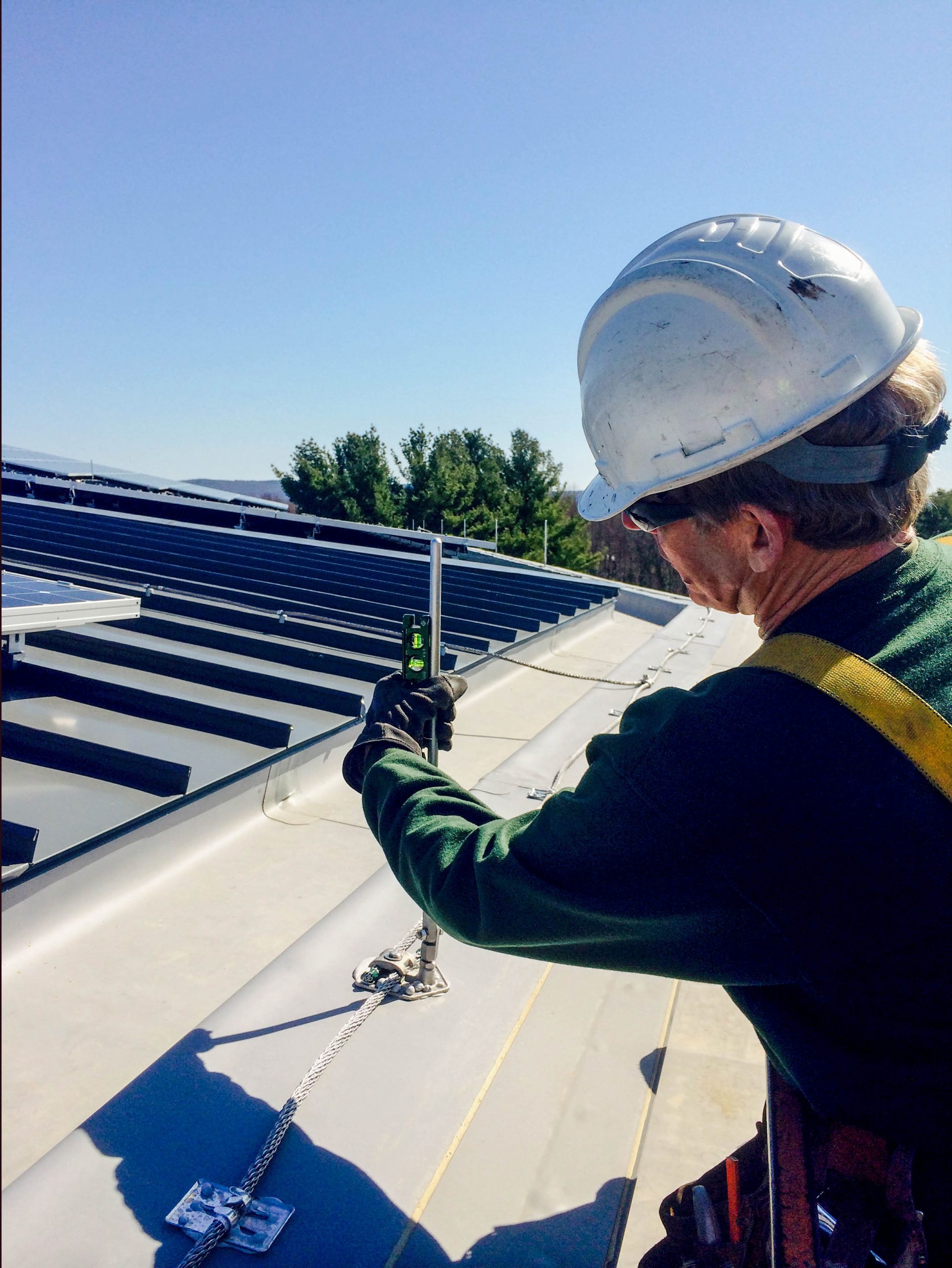
Mountain terrain can limit equipment access and make installation slower and more hazardous. Sloped sites may restrict crane placement, while snow or mud can complicate material delivery. Planning staged deliveries, using lighter panel options when possible, and scheduling work during favorable weather windows all help overcome access challenges.
8. Drainage and Water Runoff Control
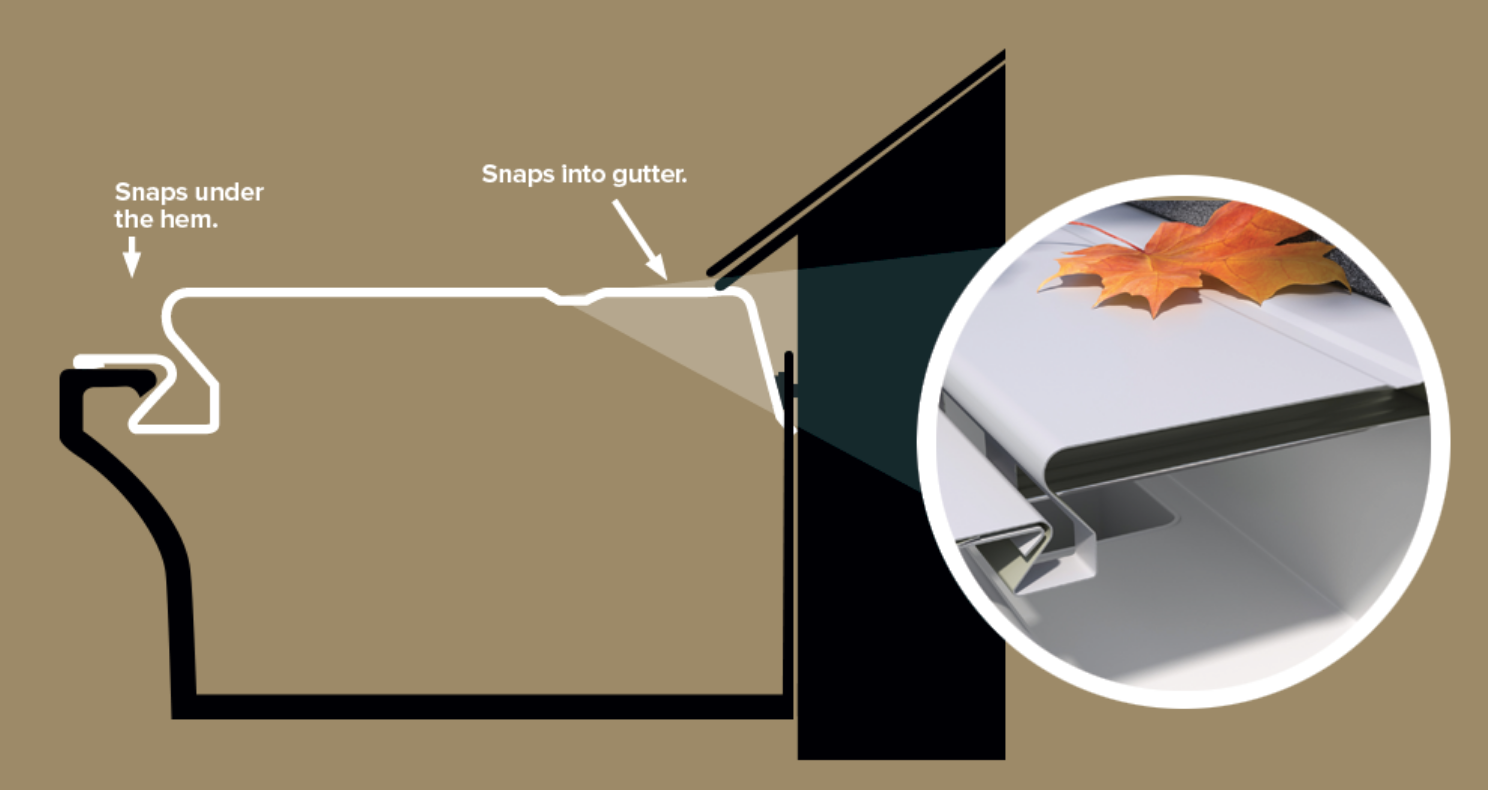
Rapid snowmelt can overwhelm gutters or cause erosion around buildings. Oversized gutters, downspouts located away from high-traffic areas, and ground-level drainage solutions—such as splash blocks or French drains—help manage runoff. Proper eave overhangs and tight panel seams also support effective drainage.
9. Impact Resistance from Falling Ice and Branches
At higher elevations, falling ice and wind-blown debris are common concerns. Thicker-gauge metal panels with higher impact ratings are better suited to withstand these hazards. Reinforced ridge caps and valley flashings also perform better than lighter alternatives. Advising building owners to keep nearby branches trimmed further reduces risk and shows a long-term commitment to their building’s performance.
10. Long-Term Maintenance in Hard-to-Reach Locations
Mountain buildings are often remote, making routine inspections more challenging. Roofers can support owners by selecting corrosion-resistant fasteners, high-quality coatings, and durable flashing systems that require minimal maintenance. Designing roofs with safe ladder access points or walkable service paths also helps protect long-term roof health.
Conclusion
Designing and installing metal roofs in mountainous regions is a complex challenge that demands a thoughtful blend of structural engineering, product selection, and installation expertise. By addressing these ten key considerations with solutions drawn from real industry practice and tested technologies, roofing professionals can deliver systems that not only withstand extreme conditions but perform reliably over the long term. The result isn’t just a roof that resists snow and wind—it’s a durable, weather-responsive system that protects occupants and enhances the reputation of the contractors who install it.