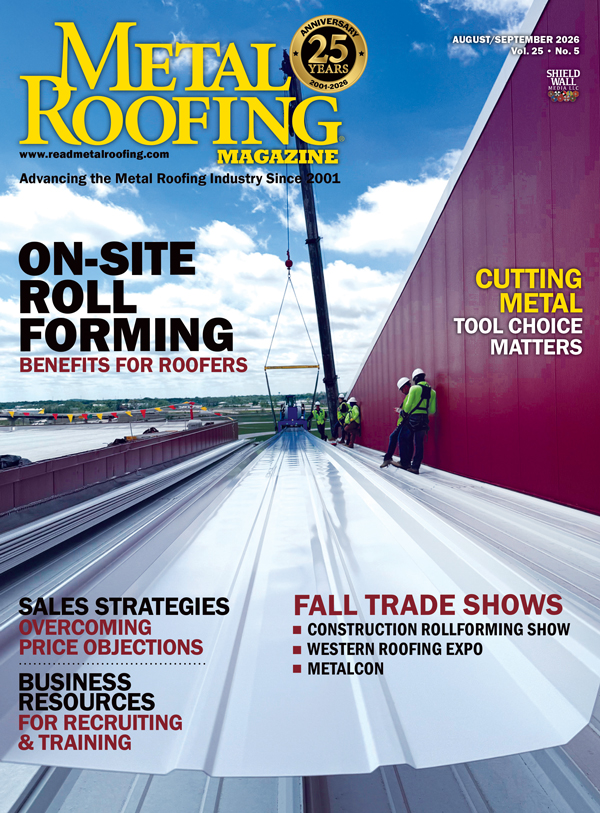
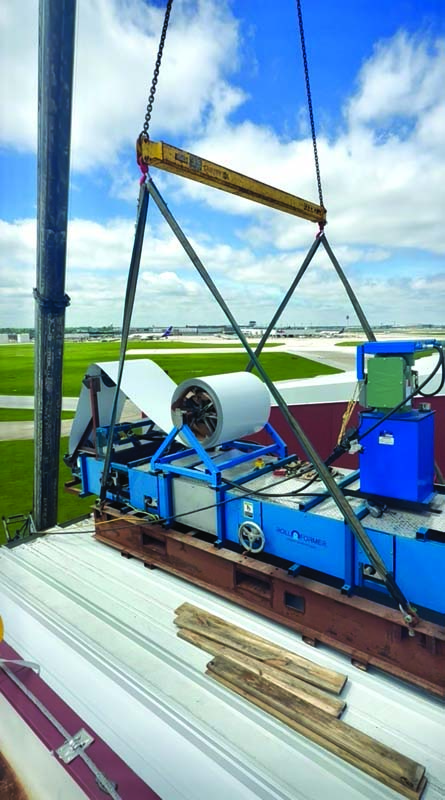
Originally Published as: Portable Advantages: Why On-Site Roll Forming Makes Sense for Metal Roofing Contractors
For metal roofing contractors, few decisions have a bigger impact on efficiency, profitability, and jobsite performance than how panels are produced. While factory-formed panels remain common, the ability to roll form panels on-site has steadily gained traction—and for good reason. On-site roll forming is not just a convenience—it’s a strategic advantage.
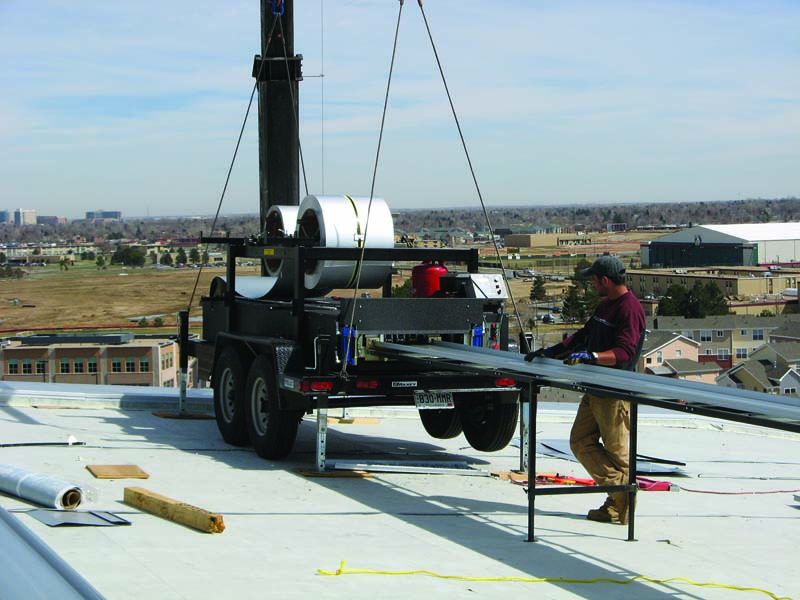
At its core, on-site roll forming puts control back in the hands of the contractor. Instead of relying on pre-cut panels shipped from a manufacturer, roofers can produce panels to exact specifications at the jobsite. This shift reduces dependency on outside schedules and allows crews to work more efficiently in real-world conditions.
Eliminating Length Limitations and Reducing Waste
One of the most immediate benefits of on-site roll forming is the ability to produce panels in continuous lengths. Shipping constraints often limit factory-produced panels, especially for long runs required in agricultural and commercial applications, and occasionally in residential uses. Transporting extremely long panels can be difficult, expensive, and prone to damage.
By roll forming panels on-site, roofers eliminate these constraints entirely. Panels can be produced to match the exact roof dimensions, reducing the need for end laps and minimizing potential leak points. This is especially important for standing seam systems, where long, continuous panels contribute directly to weather resistance and overall performance.
“We’ve seen an influx of machine rentals recently for contractors working on large commercial roof replacements,” says Sarah Garver of Indiana Metal. “If you are able to set the machine up to be lift to the eave for rolling long length panels off it drastically improves the installation process and improves working conditions for the crew, not to mention one length panels with no splices is a huge selling point for the customer.”
Material waste is also significantly reduced. Instead of ordering panels and trimming them to fit, contractors can run panels to the precise length needed. That reduction in scrap can translate into meaningful cost savings—particularly on larger or more complex projects.
Improving Panel Quality and Reducing Damage
Handling and transportation are common sources of panel damage. Even well-packaged materials can arrive at the jobsite with scratches, dents, or deformation caused by loading, unloading, and transit.
On-site roll forming minimizes these risks. Coil is transported more efficiently than finished panels, and panels are formed just steps away from where they will be installed. This reduces handling and exposure, helping maintain finish quality and structural integrity.
Maintaining panel quality is especially important as the industry continues to adopt higher-end finishes, including textured coatings and digitally printed patterns. These finishes are more noticeable and may be a larger investment than traditional coatings, making damage prevention even more critical.
Jobsite Efficiency and Scheduling Flexibility
As you know, contractors often deal with tight schedules, weather delays, and shifting project timelines. Waiting on panel deliveries can disrupt workflow and create costly downtime.
On-site roll forming allows crews to produce panels as needed, aligning production directly with installation progress. If weather interrupts a job, production can pause and resume without concerns about pre-ordered materials sitting exposed or becoming damaged.
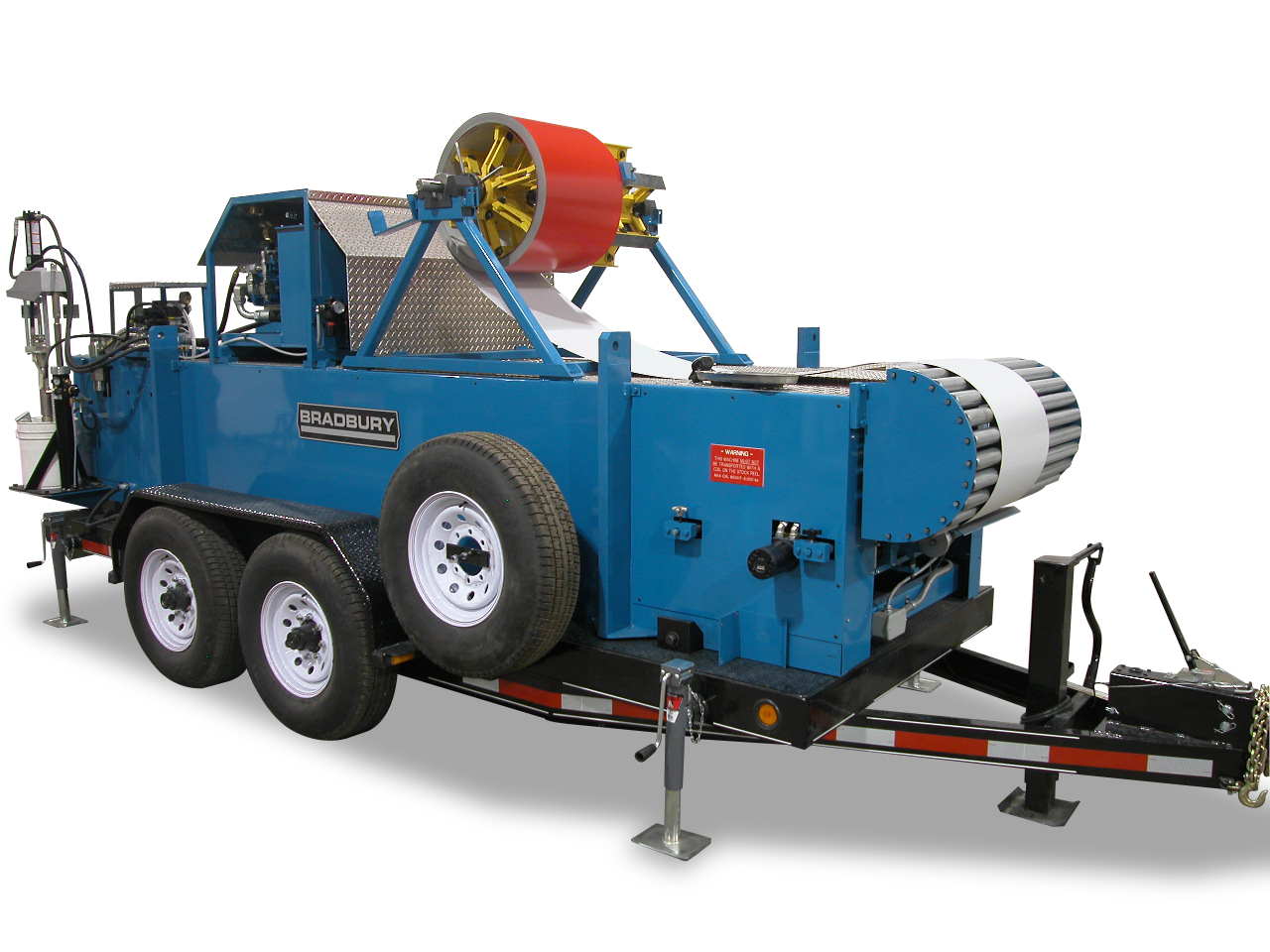
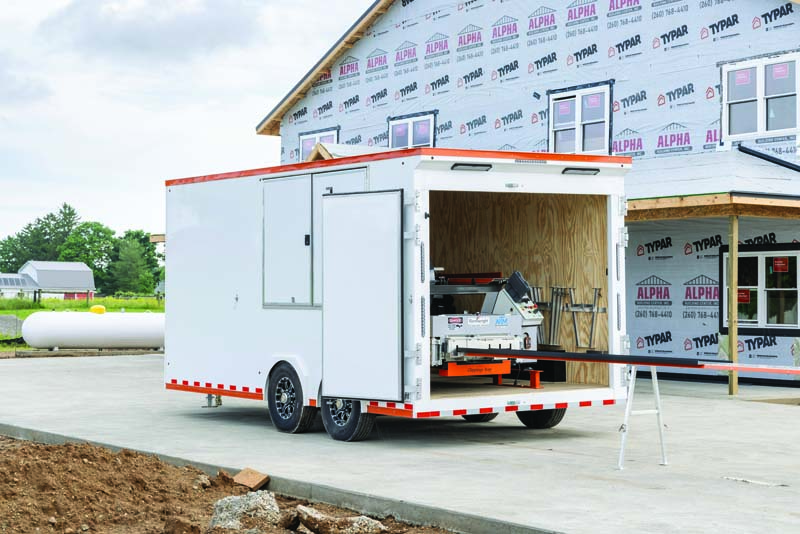
This flexibility also benefits contractors working across multiple projects. Portable roll formers can be moved between jobsites, allowing crews to maintain consistent production capabilities without relying on multiple deliveries or inventory staging.
Reducing Inventory and Simplifying Logistics
Carrying large inventories of pre-formed panels requires space, planning, and capital. On-site roll forming reduces the need to stock multiple panel lengths or profiles. Instead, contractors can opt to keep coil inventory and produce panels as required. Another option is renting a roll-forming rig that is fully stocked with needed materials and simply paying for the coil that is used.
This simplifies logistics and improves cash flow. Rather than tying up resources in finished goods, contractors can maintain a more flexible inventory strategy. Coil is easier to store, transport, and manage compared to stacks of finished panels.
In addition, producing panels on-site reduces the need for return trips or replacement orders due to measurement errors. Adjustments can be made in real time, keeping projects moving forward without unnecessary delays.
Customization and Design Flexibility
Demand for customized metal roofing continues to grow, particularly in residential and architectural markets. Homeowners and designers are looking for specific panel profiles, colors, and finishes that align with broader design goals.
On-site roll forming supports this trend by giving contractors greater control over the final product. Panels can be adjusted to fit unique roof geometries, accommodate design changes, or integrate with other building elements.
“Our customers love using our machine rental program,” says Garver. “The install efficiency that is gained by the crew being able to change measurements on the fly has proven to speed up jobs and increase contractor margins.”
This flexibility is particularly valuable for complex rooflines, including valleys, dormers, and transitions. Rather than working around pre-cut panels, contractors can produce exactly what the project requires.
As noted in industry discussions, the ability to offer multiple profiles and adapt to changing customer preferences is becoming increasingly important. On-site production supports that adaptability without requiring significant changes to equipment or workflow.
Supporting Growth in Residential Markets
We hear about the continued growth of metal roofing in the residential market from the Metal Roofing Alliance and other industry sources. Consumers are looking for maintenance-free roofing options that feature longevity and emphasize aesthetics.
On-site roll forming aligns well with these demands. Residential projects, in particular, benefit from cleaner lines, fewer seams, and improved appearance—all of which are easier to achieve with panels formed to exact lengths on-site.
Labor Efficiency and Crew Productivity
While operating a roll former requires training, many systems are designed to be user-friendly and efficient. Once crews are familiar with the equipment, panel production becomes a seamless part of the installation process.
Producing panels on-site can reduce the need for additional labor associated with handling, staging, and modifying pre-formed panels. Crews spend less time adjusting materials and more time installing them.
Training also plays a role in long-term productivity. As operators become more experienced, they can troubleshoot minor issues, optimize production, and maintain consistent output. This contributes to smoother jobsite operations and fewer interruptions.
Integration with Modern Coatings and Materials
Advancements in coil coatings have expanded the possibilities for metal roofing. High-performance paint systems, textured finishes, and digitally printed designs are becoming more common, offering improved durability and visual appeal.
On-site roll forming supports these advancements by preserving the quality of the material from coil to installation. Reduced handling helps maintain finish integrity, while precise panel production ensures consistent appearance across the roof.
This is particularly important as customers place greater emphasis on aesthetics. Whether the goal is a traditional look or a more modern design, consistent panel quality plays a key role in the finished roof.
Long-Term Business Advantages
Beyond individual projects, on-site roll forming offers long-term benefits for contractors looking to grow their business. It creates opportunities to differentiate services, improve margins, and expand into new market segments.
Contractors who control their panel production can respond more quickly to customer needs, adjust to market trends, and maintain greater consistency across projects. This level of control can become a competitive advantage in a crowded marketplace.
In addition, investing in roll forming equipment often aligns with a broader shift toward vertical integration. By bringing more of the production process in-house, contractors can reduce reliance on suppliers and improve overall efficiency.
Conclusion
On-site roll forming is more than a logistical choice—it’s a strategic tool that supports efficiency, quality, and growth. From reducing waste and minimizing damage to improving scheduling flexibility and expanding design capabilities, the benefits are both immediate and long-term.
As metal roofing continues to evolve, contractors who embrace on-site production are better positioned to meet the demands of modern construction. The ability to produce panels exactly when and where they are needed is not just convenient—it’s a practical way to improve performance, control costs, and deliver better results for customers.
For roofers focused on metal, that kind of advantage is hard to ignore.