Originally Published as: Real Hiring Help: Recruitment and Training Resources for the Metal Roofing Industry
Finding qualified workers has become one of the most persistent challenges facing the metal roofing industry. Contractors struggle to fill installation crews, manufacturers need production workers and maintenance technicians, and distributors are competing for sales and operations talent. While labor shortages are not unique to metal roofing, the industry’s combination of technical skill requirements, physical work, and an aging workforce has made recruitment particularly challenging.
The good news is that many companies are finding success by expanding their view of where future employees come from. Rather than focusing exclusively on experienced roofers, employers are increasingly recruiting from technical colleges, apprenticeship programs, military transition initiatives, and manufacturing training programs. Combined with structured in-house training, these resources can help companies develop a sustainable workforce pipeline.
Looking Beyond Traditional Roofing Recruits
For many years, contractors often hired workers who already had roofing experience. Today, that approach is becoming more difficult as experienced labor becomes harder to find and competition for skilled workers intensifies.
Many successful companies have shifted their focus toward recruiting individuals who possess transferable skills rather than roofing experience alone. Welding students, manufacturing technology graduates, construction management students, sheet metal apprentices, and military veterans often bring valuable skills and work habits that can be adapted to metal roofing applications. This approach allows employers to train workers in company-specific installation methods, safety procedures, and product systems while benefiting from the recruits’ existing technical knowledge and work ethic.
That said, many companies keep some of the traditional employee sources as part of the mix. The Bradbury Group, a heavy industrial machine company specializing in roll forming and coil handling equipment, has a lot of experience in finding and hiring employees. The company employs over 800 people worldwide. Shonda Fast, Recruitment & Employee Development Coordinator, said that the company employs a number of hiring tactics to keep those positions filled.
“Referral incentives, sponsoring an online job website, and four-day weeks along with pay differentials for second-shift employees remain important pieces of our hiring strategy,” Fast said. “We’ve just added some new tools to our hiring toolbox.”
Technical Colleges and Community Colleges
Community colleges and technical schools have become important recruiting sources for both contractors and manufacturers. While relatively few schools offer roofing-specific programs, many provide education that aligns closely with the needs of the metal roofing industry.
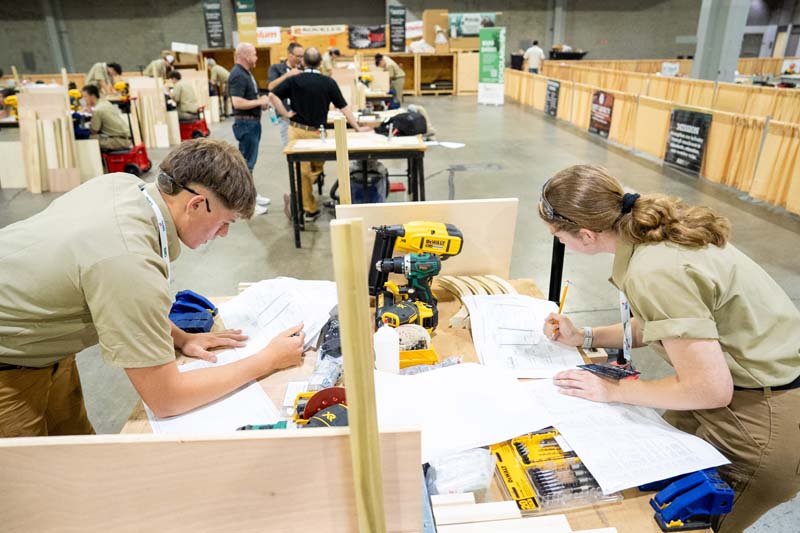
Construction management programs can provide future project managers, estimators, field supervisors, and sales professionals. Students in these programs often have a solid understanding of construction processes and project coordination before entering the workforce.
Welding programs can serve as a valuable source of talent for fabrication shops, trim departments, architectural sheet metal operations, and manufacturing facilities. Students frequently develop skills in blueprint reading, fabrication techniques, equipment operation, and quality control.
Manufacturing technology programs produce graduates who may be well suited for positions involving roll forming equipment, production operations, machinery maintenance, quality assurance, and inventory management.
Check local colleges and universities for these programs:
• Construction Management
• Building Construction Technology
• Welding Technology
• Manufacturing Technology
• Industrial Maintenance
• Architectural Drafting
• Sheet Metal Apprenticeships
The specific institution may be less important than establishing relationships with local instructors and career placement offices. Many employers report that direct engagement with educators often yields better recruiting results than simply posting job openings. Fast can attest to that.
“Showing up to events, career fairs, and talking with the instructors can lead to discovering individuals with skills and potential,” said Fast. “Another way to engage with tech colleges is through advisory boards which help give direction to the educational paths students traverse to enter the industry.”
Apprenticeships Offer a Proven Pathway
Apprenticeship programs remain one of the most effective ways to develop skilled workers while maintaining quality and safety standards.
The U.S. Department of Labor’s Registered Apprenticeship Program provides resources for employers interested in creating or participating in apprenticeship programs. These programs allow workers to earn wages while receiving structured training and classroom instruction.
For companies involved in architectural metal roofing, custom fabrication, and sheet metal work, the International Training Institute (ITI) offers extensive training resources through its network of apprenticeship centers. The organization provides education in sheet metal fabrication, standing seam roofing, flashing installation, and building envelope systems.
Apprenticeships require a longer-term commitment than traditional hiring, and many employers view them as an investment in workforce stability and employee retention.
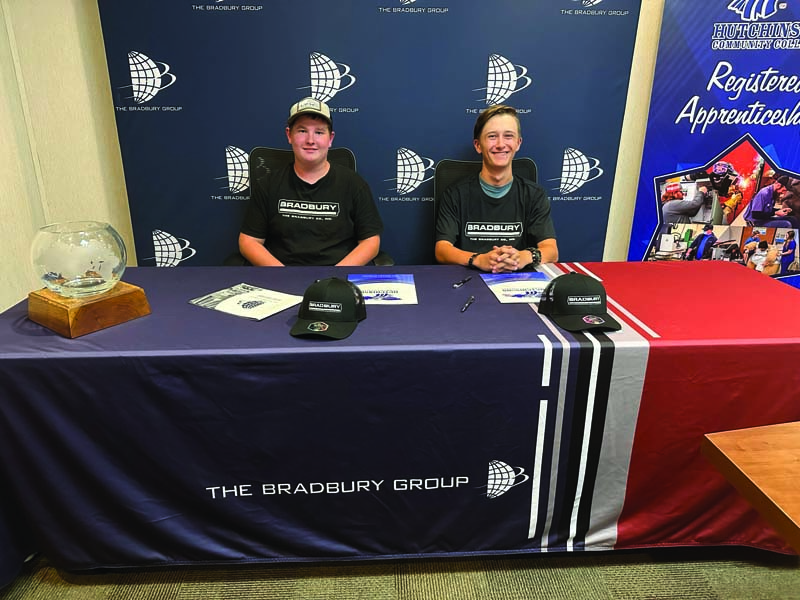
Bradbury has used registered youth apprenticeships to attract and retain talent. Fast said that if you look at your state website and Apprenticeship.gov you can find resources to help you through the process.
Industry Associations Supporting Workforce Development
Several industry organizations have expanded their workforce development efforts in response to ongoing labor shortages.
The National Roofing Contractors Association (NRCA) has developed training and certification resources designed to help contractors recruit, train, and retain employees. Programs such as NRCA ProCertification® provide structured pathways for developing and validating installer skills.
The Roofing Alliance organization has invested in initiatives designed to promote roofing careers and strengthen workforce development efforts throughout the industry. Through educational outreach and partnerships, the Roofing Alliance seeks to increase awareness of career opportunities in roofing.
The Metal Construction Association (MCA) provides educational resources that can help companies train employees and develop technical expertise. While not a recruiting organization, MCA’s training materials can help accelerate employee development after hiring.
These organizations can provide valuable support for companies seeking to formalize training programs or improve employee retention.
High School Career and Technical Education Programs
Many employers are rediscovering the value of recruiting students before they enter the workforce.
Career and Technical Education (CTE) programs introduce students to construction, manufacturing, welding, and related trades while they are still in high school. These programs often attract students who enjoy hands-on work and are interested in pursuing technical careers.
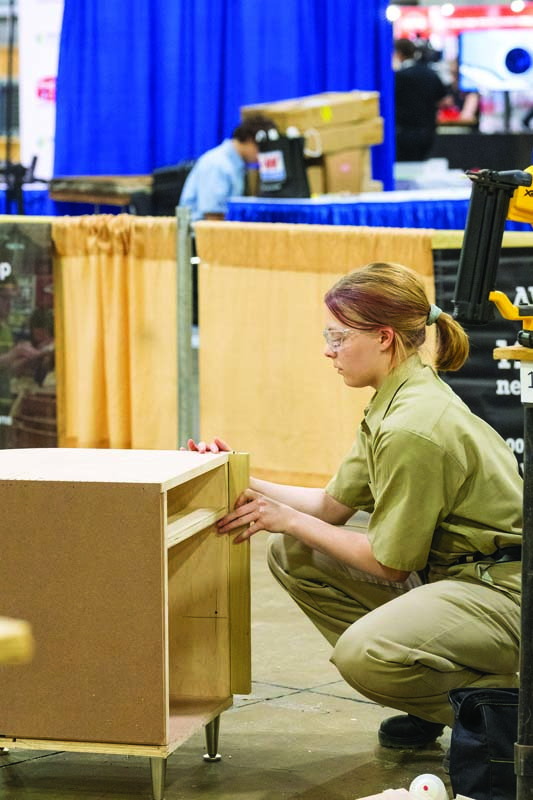
SkillsUSA, one of the nation’s largest career and technical student organizations, offers another avenue for connecting with future employees. Through competitions, leadership development activities, and industry partnerships, SkillsUSA helps students develop practical workplace skills while providing employers opportunities to identify promising talent.
Clare Briner, Director of Marketing and Communications, SkillsUSA said there are chapters in middle school through college, with many opportunities for students to learn anything from what it means to be a dedicated and contributing member of an organization to hands-on technical skills.
Chelle Travis, Executive Director, said, “Companies interested in finding new talent can connect with SkillsUSA to access a verified talent pipeline, influence classroom programming to ensure it matches their industry needs and standards, offer work-based learning experiences like apprenticeships, and elevate the perception of skilled trades.”
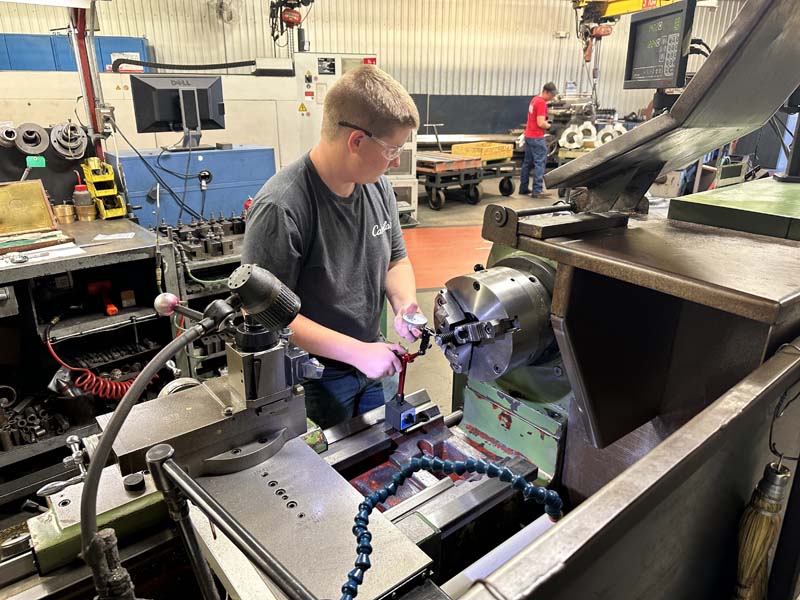
Fast said that Bradbury has been active in SkillsUSA. They find it a worthwhile organization to support, and they have hired some employees through the program.
Companies that actively participate in local SkillsUSA chapters, advisory boards, and school events often gain access to potential employees before competitors become aware of them.
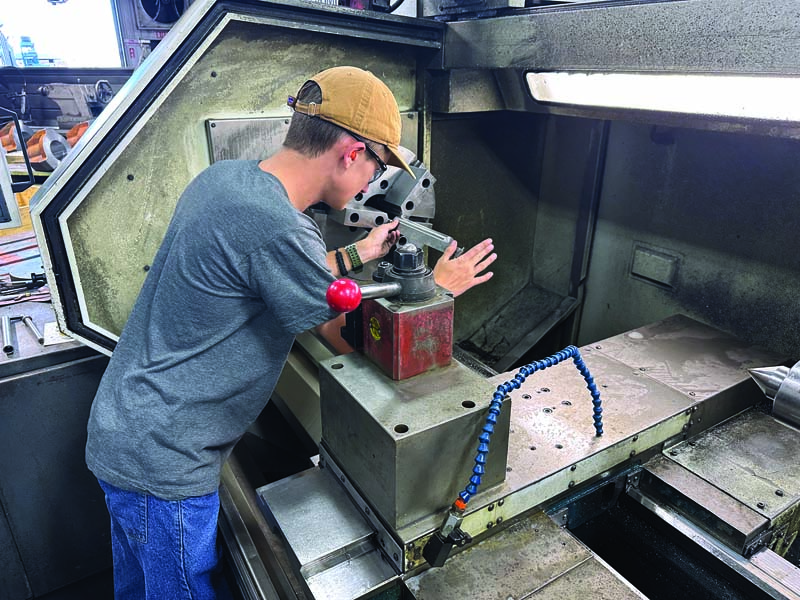
Photo courtesy of Bradbury group.
Veterans Bring Transferable Skills
Military veterans continue to represent an important talent pool for both contractors and manufacturers.
Programs such as Hiring Our Heroes and the Department of Defense SkillBridge initiative help connect employers with service members transitioning to civilian careers.
Veterans frequently bring qualities that employers value, including discipline, leadership, teamwork, safety awareness, problem-solving skills, and experience operating equipment or managing complex tasks.
For many employers, veterans have become a reliable source of future supervisors, production leaders, and crew members.
Manufacturing Resources for Producers and Roll Formers
The labor shortage extends beyond roofing crews. Manufacturers and roll formers face many of the same workforce challenges.
Organizations such as the Fabricators & Manufacturers Association (FMA) and the Society of Manufacturing Engineers (SME) offer workforce development resources, technical training, leadership education, and industry connections that can help companies identify and develop talent.
These organizations may be particularly valuable for employers seeking machine operators, maintenance technicians, production supervisors, and fabrication specialists.
Workforce Development Boards and Government Resources
One often-overlooked resource is the network of local and state workforce development boards. Many workforce agencies offer services such as candidate screening, recruitment assistance, apprenticeship support, training grants, and reimbursement programs. In some cases, employers may qualify for funding that helps offset training expenses for new hires.
Resources available through CareerOneStop and local workforce development agencies can help employers identify programs available in their specific region.
These programs can reduce hiring costs and provide access to candidates who may not be reached through traditional recruiting methods.
Building a Long-Term Pipeline
The companies making the most progress on workforce challenges often share a common strategy: they focus on building talent rather than simply buying it.
Rather than competing exclusively for experienced roofers, they recruit from multiple sources, possibly including technical colleges, apprenticeship programs, military transition initiatives, manufacturing schools, and high school career programs. Then they provide structured training, mentorship, and career development opportunities that help employees grow within the organization. As labor shortages continue to affect the construction and manufacturing sectors, companies willing to try different hiring resources and make investments in long-term workforce development may be better positioned to meet customer demand, maintain quality standards, and support future growth.
Resources
- The Bradbury Group – https://www.bradburygroup.com
- CareerOneStop Workforce Resources – www.careeronestop.org
- Department of Defense SkillBridge – skillbridge.mil
- Department of Labor Apprenticeship Program – www.apprenticeship.gov
- Fabricators & Manufacturers Association (FMA) – www.fmamfg.org
- Hiring Our Heroes – www.hiringourheroes.org
- International Training Institute (ITI) – www.sheetmetal-iti.org
- Metal Construction Association (MCA) – www.metalconstruction.org
- National Center for Construction Education and Research (NCCER) – www.nccer.org
- National Roofing Contractors Association (NRCA) – www.nrca.net
- Roofing Alliance – www.roofingalliance.net
- SkillsUSA – www.skillsusa.org
- Society of Manufacturing Engineers (SME) – www.sme.org