A roof is far more than a simple structural covering—it’s a crucial line of defense against the elements, a protector of property, and, fundamentally, a safeguard for life. While the allure of a pristine snow-covered roof might evoke a sense of winter wonderland, the reality is that uncontrolled snow and ice can pose significant threats.
Therefore, the question is not merely whether snow and ice mitigation can be part of a roofing system, but rather, under what specific circumstances should it be considered an integral and non-negotiable element.
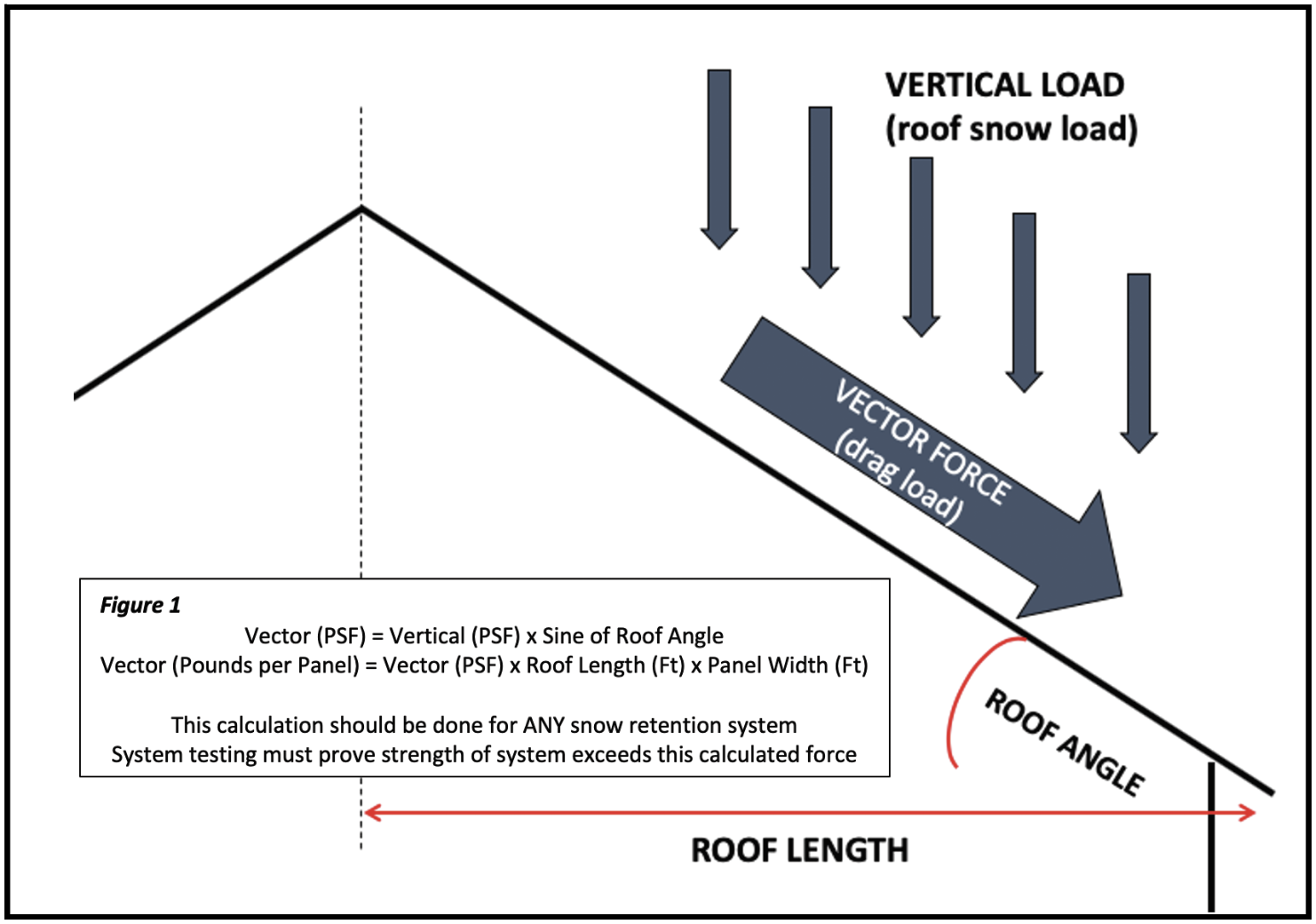
In regions accustomed to substantial snowfall, the accumulation of snowpack transcends a simple aesthetic concern. The sheer weight of this “winter wonderland,” often compounded by layers of ice, exerts considerable forces on the roof. Beyond the static load lies a more dynamic and potentially perilous phenomenon: the uncontrolled migration of snow and ice.

Pitched roofs, particularly those clad in materials boasting a smooth, low-friction surface such as metal, offer little resistance to the relentless pull of gravity. The inherent slipperiness, while contributing to the longevity and low maintenance of metal roofs in many applications, becomes a critical factor demanding careful consideration in snowy climates.

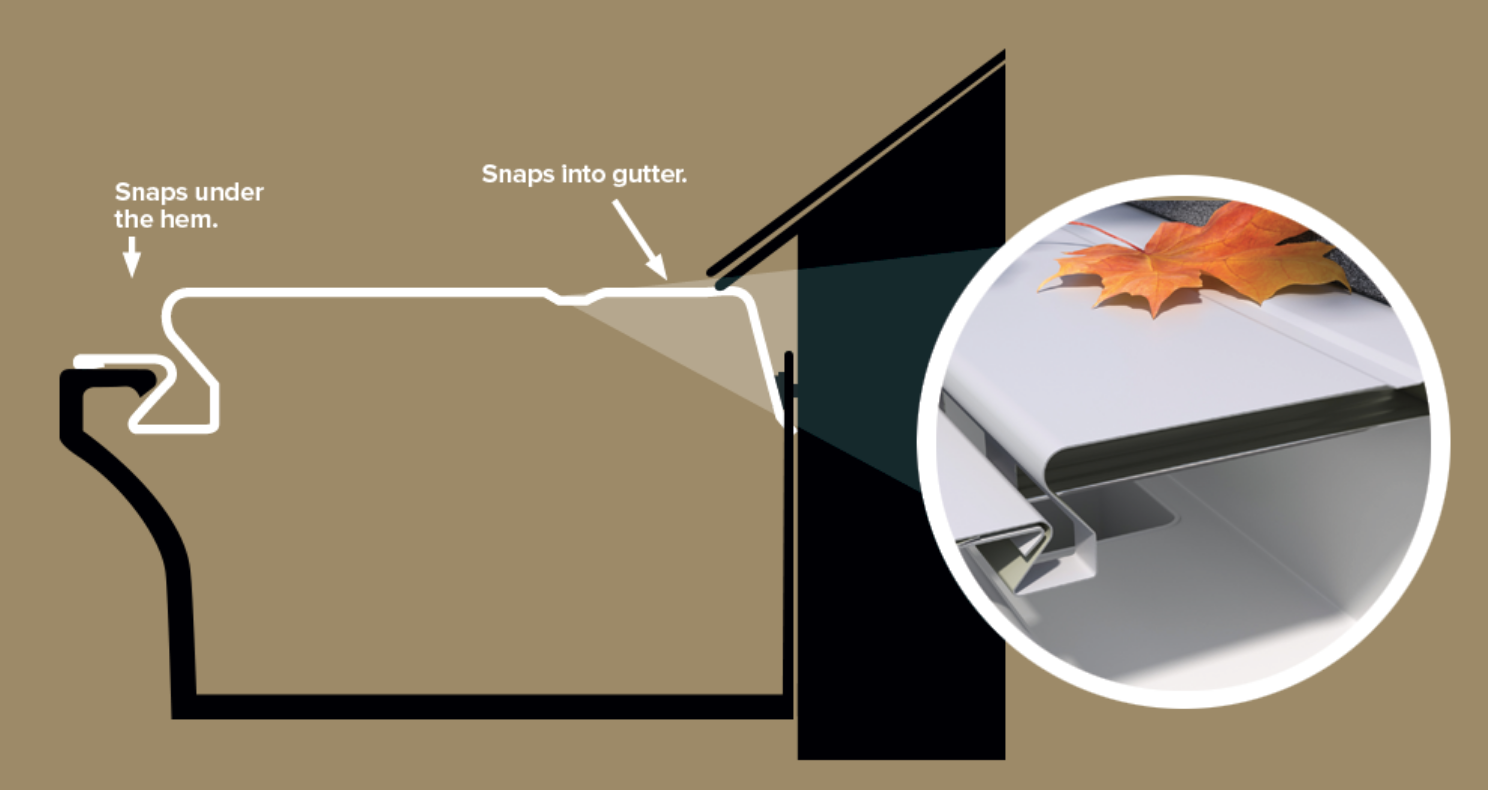
An S-5! ColorGard system prevents snow and ice from shedding to the ground below.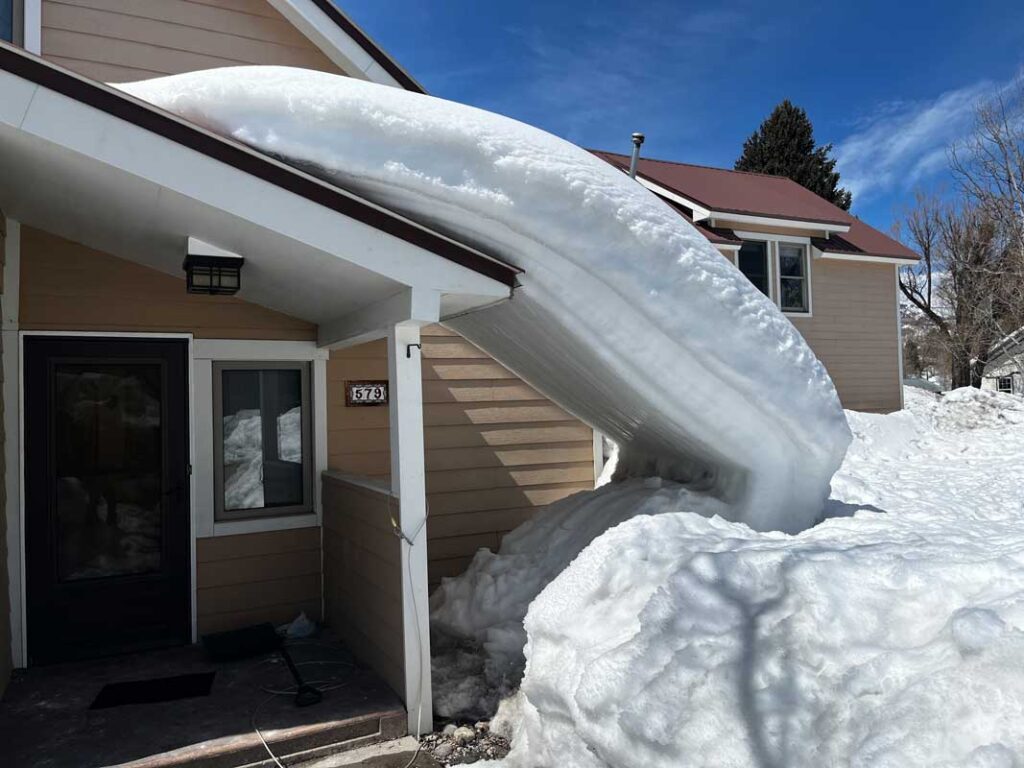
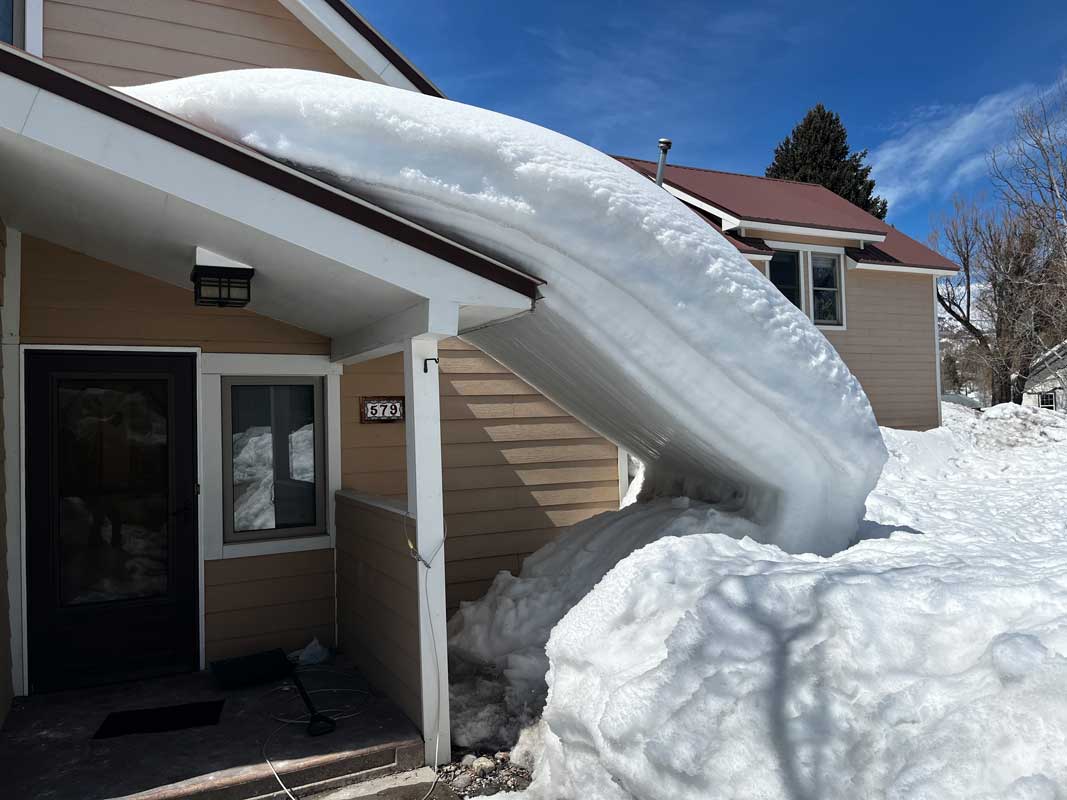
Snow shedding from a metal roof has no mercy for whatever lies below. Photo courtesy of S-5!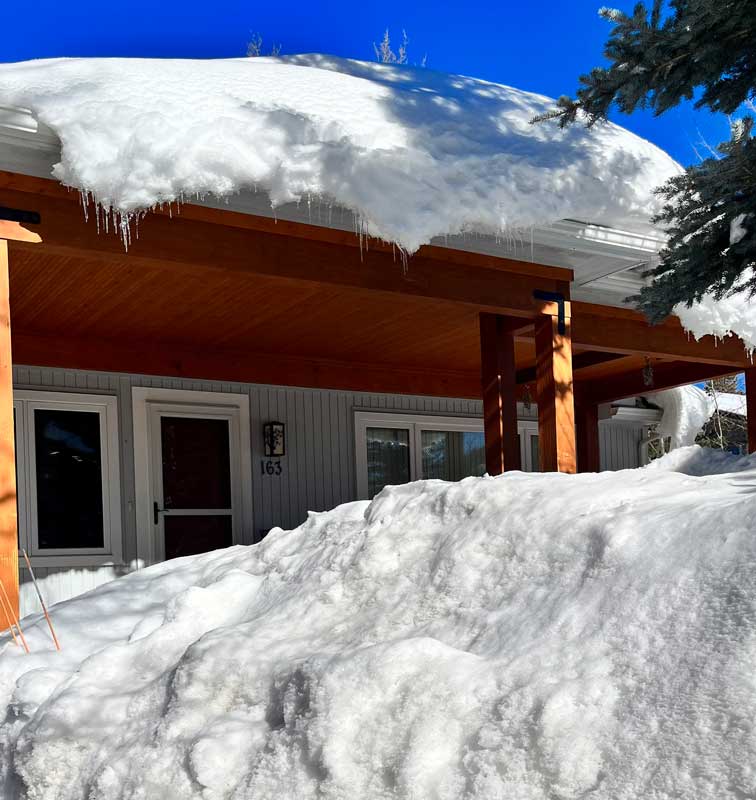
Wherever heavy snowfalls happen, snow shedding can be extreme.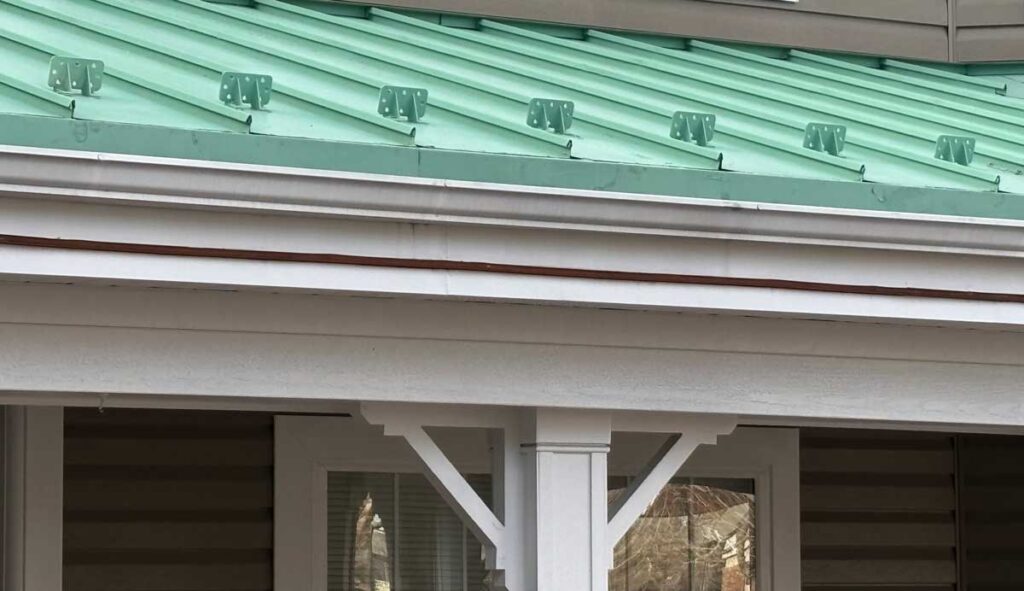
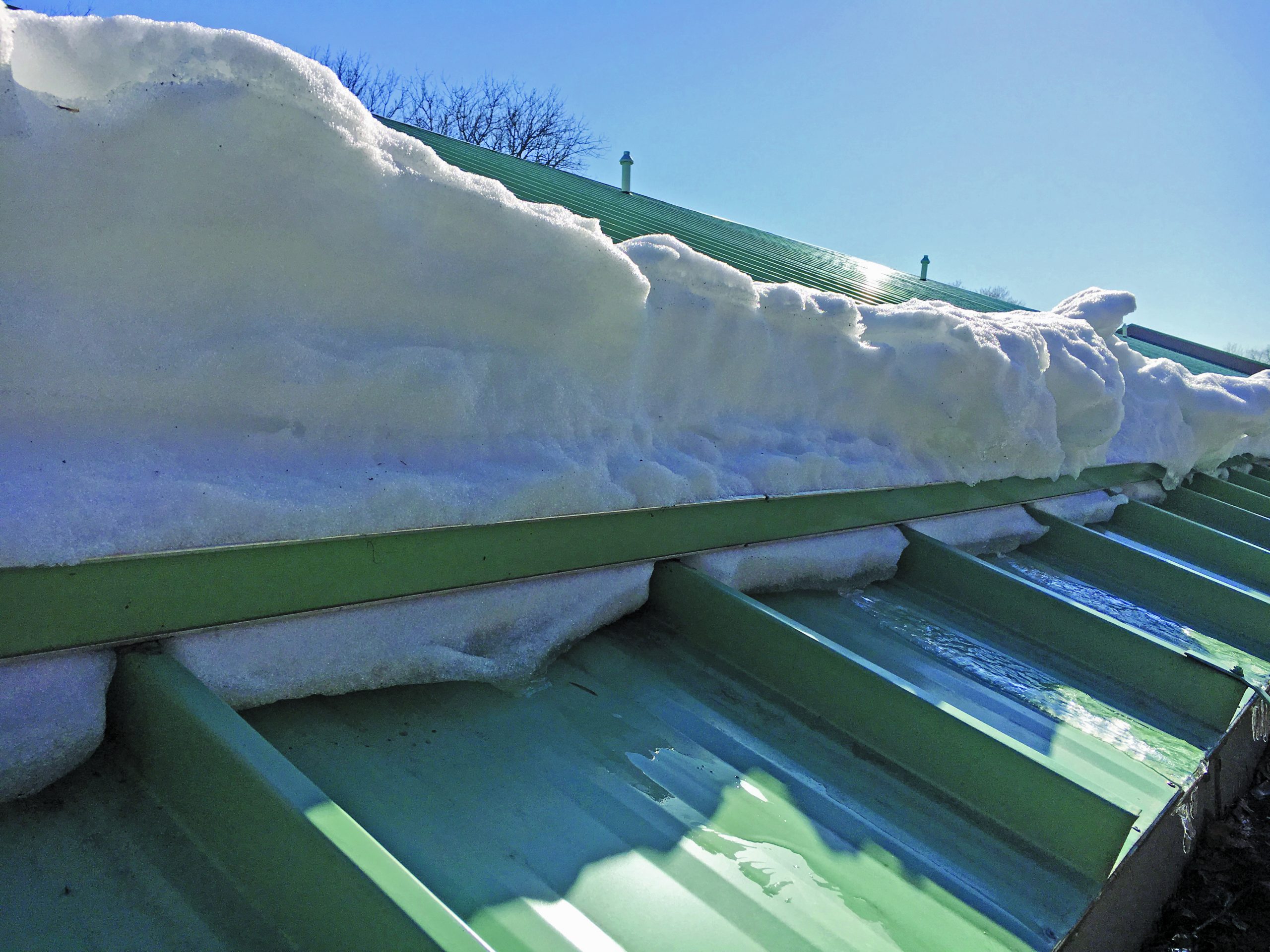
A discontinuous snow retention system. Photo courtesy of Fiona Maguire-O’Shea.
The consequence of this lack of friction is the potential for rooftop avalanches—the sudden release of accumulated snow and ice from the eaves. These events are not mere nuisances; they can unleash tons of snow in a matter of seconds, transforming a seemingly benign winter scene into a hazardous situation. The discharge areas below the eaves become zones of significant risk, endangering pedestrians, vehicles, landscaping and even critical building components. In this context, the implementation of an engineered snow retention system transitions from a discretionary measure to a fundamental life-safety issue.
While the necessity of snow and ice hazard mitigation might seem self-evident in such challenging environments, building codes in North America have historically been less prescriptive on this matter compared to some alpine regions in Europe and Scandinavia, where snow guard systems are often mandated by building authorities. Here in the U.S., local code authorities may, in limited cases, require snow retention, but generally only in the worst of the worst snow accumulation topographies. The relative lack of explicit mandates should not lull building owners, designers and contractors into a false sense of security.
Beyond explicit code requirements, the specter of potential liability looms large. Building owners, designers and contractors bear a responsibility to ensure the safety of their projects and the surrounding areas. Inadequate or absent snow retention systems that subsequently lead to damage or, tragically, injury due to sliding snow can expose building owners to significant legal and financial repercussions. Implementing properly engineered and rigorously tested snow retention systems is not merely a matter of best practice; it is a prudent risk management strategy that can substantially mitigate this liability.
The migration of snow and ice mitigation extends beyond simply preventing rooftop avalanches. Well-designed snow retention systems facilitate the predictable and controlled evacuation of snow from the roof. Rather than the sudden and dangerous release of a rooftop avalanche, these systems allow snow to dissipate gradually through melting and sublimation. This controlled process is far safer and more manageable than relying solely on so-called “natural shedding,” which, despite its seemingly passive nature, can pose significant hazards to anything or anyone in its path if pedestrian and vehicle traffic below the eaves cannot be reliably restricted. In situations where the building’s surroundings – such as walkways, parking areas and entrances – cannot be designed or consistently managed to safely accommodate naturally shedding snow, the implementation of mechanical snow retention becomes a clear necessity.

Furthermore, the integration of snow and ice retention can offer ancillary benefits. For instance, strategically placed snow guards can provide added protection to rooftop appurtenances such as stack/flue bracing and vents, valleys and gutters from being damaged or dislodged by the force of sliding snow. While not a primary function, this added layer of protection contributes to the overall longevity and functionality of the roofing system and its components.
When considering the implementation of snow and ice mitigation, the choice of system is crucial. Two primary approaches exist: continuous systems, such as snow bars or snow fences that run horizontally across the roof, and discontinuous systems, consisting of individual snow stops, blocks or cleats installed in a pattern. The selection often depends on factors such as the durability of each, aesthetic considerations and budgetary concerns.
Both types are typically installed at or near the eaves but may extend toward the ridge, relying on the cohesive and shear strength of the snow blanket to “bridge” between rows, or laterally from one discontinuous unit to the next.
Continuous systems are installed using either a clamping technique (non-penetrating) or by fastening screws through the roof material into the structure (penetrating). Discontinuous systems are typically attached using the same methods but may also involve adhesives like “peel-and-stick” tape or pumpable glue. However, the Metal Construction Association (MCA) advises against adhesives due to high failure rates and damage to the roof.
Regardless of the chosen system, quality assurance throughout the process is paramount. This includes selecting systems that are engineered and designed for the specific project’s conditions, proven through certified testing to withstand the anticipated loads, and manufactured in audited facilities with stringent quality standards. The market for snow retention systems, while offering numerous solutions, has historically lacked comprehensive industry-wide standards, emphasizing the “buyer-beware” nature of product selection. Designers and building owners must therefore exercise due diligence in vetting manufacturers and scrutinizing their testing data, engineering calculations and manufacturing certifications.
Compliance with emerging industry consensus standards, such as the International Association of Plumbing and Mechanical Officials (IAPMO) Evaluation Criteria 029-2018 and adherence to guidelines provided by organizations like the MCA and the International Code Council (ICC) are critical to ensuring the quality and reliability of snow retention systems. The MCA Technical Bulletin “Qualifying Snow Retention Systems for Metal Roofing” is harmonious with EC 029-2018 and is available at www.metalconstruction.org.
Main Takeaway
Snow and ice mitigation should be considered an indispensable part of a roofing system under a confluence of specific circumstances. Significant snowfall and “slippery” roof surfaces (according to ASCE-7) point to the potential for hazardous rooftop avalanches. The need to mitigate liability and reduce maintenance and damage remediation underscores the critical importance of incorporating effective snow retention measures. Furthermore, site constraints that preclude safe natural snow shedding and the need to protect rooftop appurtenances and flashings further strengthen the case for integrated mitigation strategies. By prioritizing engineered, tested and properly installed snow retention systems, building owners and designers can ensure the safety of their properties and the well-being of those in the vicinity, transforming the potential hazards of winter’s embrace into a manageable aspect of responsible building design and maintenance. MR
Rob Haddock, CEO and founder of S-5!, is a former contractor, award-winning roof forensics expert, author, lecturer and building envelope scientist who has worked in various aspects of metal roofing for five decades. S-5! has achieved an Evaluation Report of compliance (ER) to IAPMO EC 029–2018 industry standard for testing and certifying snow retention devices.