Originally Published as: Hail, Snow, Wind, and Heat: Choosing the Right Metal Roof Panel by Region
Upload a project for the Metal Roofing IDEA Book at
https://readmetalroofing.com/metal-roofing-project-submission-form/.
The weather your roof faces is changing. Big weather changes across North America mean buildings in every region may be exposed to intense heat, storms, moisture, hail, wind, snow and other environmental stresses.
To an experienced roofer, changing weather is just part of the work. Between navigating installation times and materials, weather is part of the everyday. But for metal roofers and anyone building with metal panels, weather can’t be a last-minute radar check. The influence of weather and climate impacts the materials you need before you even sign a contract. And after the roof is installed, its long-term performance is heavily influenced by the conditions it faces.
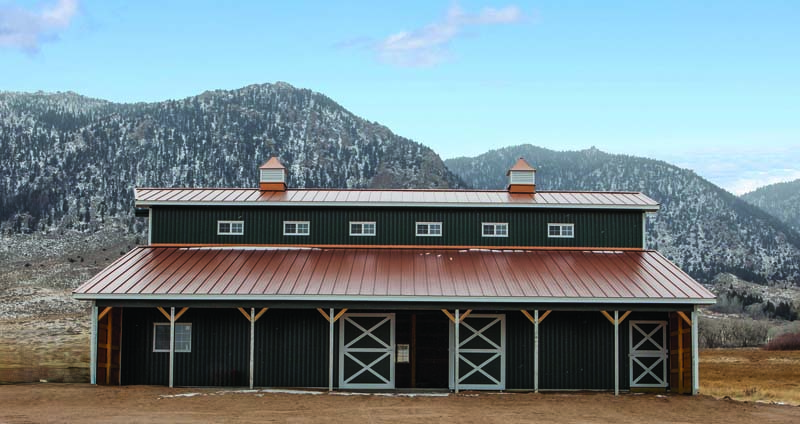
As a metal panel manufacturer based in Colorado, Legacy Metal Center sees almost every kind of weather. Colorado’s climate varies widely from day to day and from region to region. Mountains require snow-load focus, plains emphasize wind, hail is widespread, and UV exposure is high. Whether you’re building or roofing, panel specifications should match the location.
But the same principle extends well beyond Colorado.
As a nationwide manufacturer, Central States Manufacturing sees those regional differences play out across an even broader geographic footprint. Andrew Wilson, VP of Engineering for Central States Inc., oversees product development, testing and certifications and engineering, providing a perspective on how metal roofing systems need to respond to environmental demands across the country.
For any metal roofer, choosing roofing panels should be specific and focused on the exact conditions the roof will face in the real world. Climate-specific specifications and tested systems can help reduce leaks, damage and, for the roofer, callbacks.
“Certifications and ratings give us standardized ways to understand how products perform under specific conditions, but they are only part of the equation,” Wilson said. “Contractors also have to understand what was tested, how the complete system was assembled and whether the installation in the field follows those requirements.”
What to Consider Before Choosing a Panel
Climate should be one of the first considerations in panel selection. Metal roofing contractors should consider hail resistance, wind uplift and snow loads. In some parts of the country, wildfire and salt exposure should also enter the conversation with customers.
The best results come from evaluating those factors together because they can influence profile, gauge, coating, substrate, fastening and attachment.
And regional recommendations should be exactly that: a starting point.
A warehouse near the Gulf Coast, an agricultural building in Iowa and a commercial building in Colorado present very different environmental conditions. Even two buildings in the same ZIP code can have different requirements because of height, slope, terrain, exposure and building design.
“Rather than asking which panel is best for a particular state or region, start with the conditions that specific building is going to experience,” Wilson said. “Then look at the tested performance of the entire roofing assembly and make sure the system is being installed the way it was designed and tested.”
In Hail Zones
If you’re living, building or roofing in the Midwest, along the Great Plains or in the Front Range of the Rocky Mountains, hail is likely a regular concern.
While cosmetic denting can occur, what’s most important is maintaining a weather-tight seal. When it hails, you want your metal roofing system to have impact resistance and durability. Systems should continue to perform after impact events.
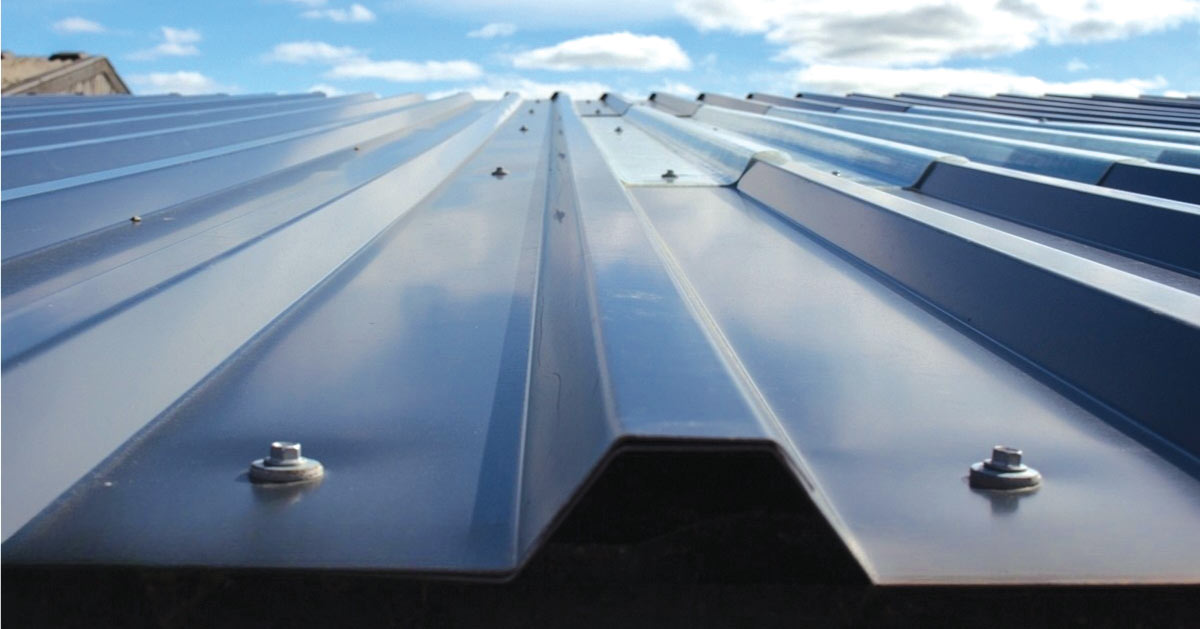
For Legacy Metal Center, Tuff Rib and PBR panels are UL Class 4 impact-rated systems. In general, heavier-gauge and stronger profiles can help, but tested systems provide a much clearer understanding of performance.
That becomes important when understanding what a rating actually represents. UL 2218, for example, evaluates a roof-covering material’s resistance to impact, with Class 4 representing the highest classification within that test. Wilson has also emphasized that achieving a Class 4 rating does not mean a roof is immune to cosmetic damage from every hail event.
“A rating gives contractors valuable information, but we also have to understand its limits,” Wilson said. “A Class 4 impact rating does not mean a roof can never be dented by hail. It tells us how that product performed under a defined test method. That distinction matters when we’re talking with contractors and building owners about real-world performance. The thickness of the steel is an important aspect of the conversation – the resistance to dents increases exponentially with thickness. The actual thickness matters more than it’s reported gauge.”
Under Snow Load
Colorado didn’t get as heavy a snowfall this year, but most years, some areas of the state can expect significant snowfall.
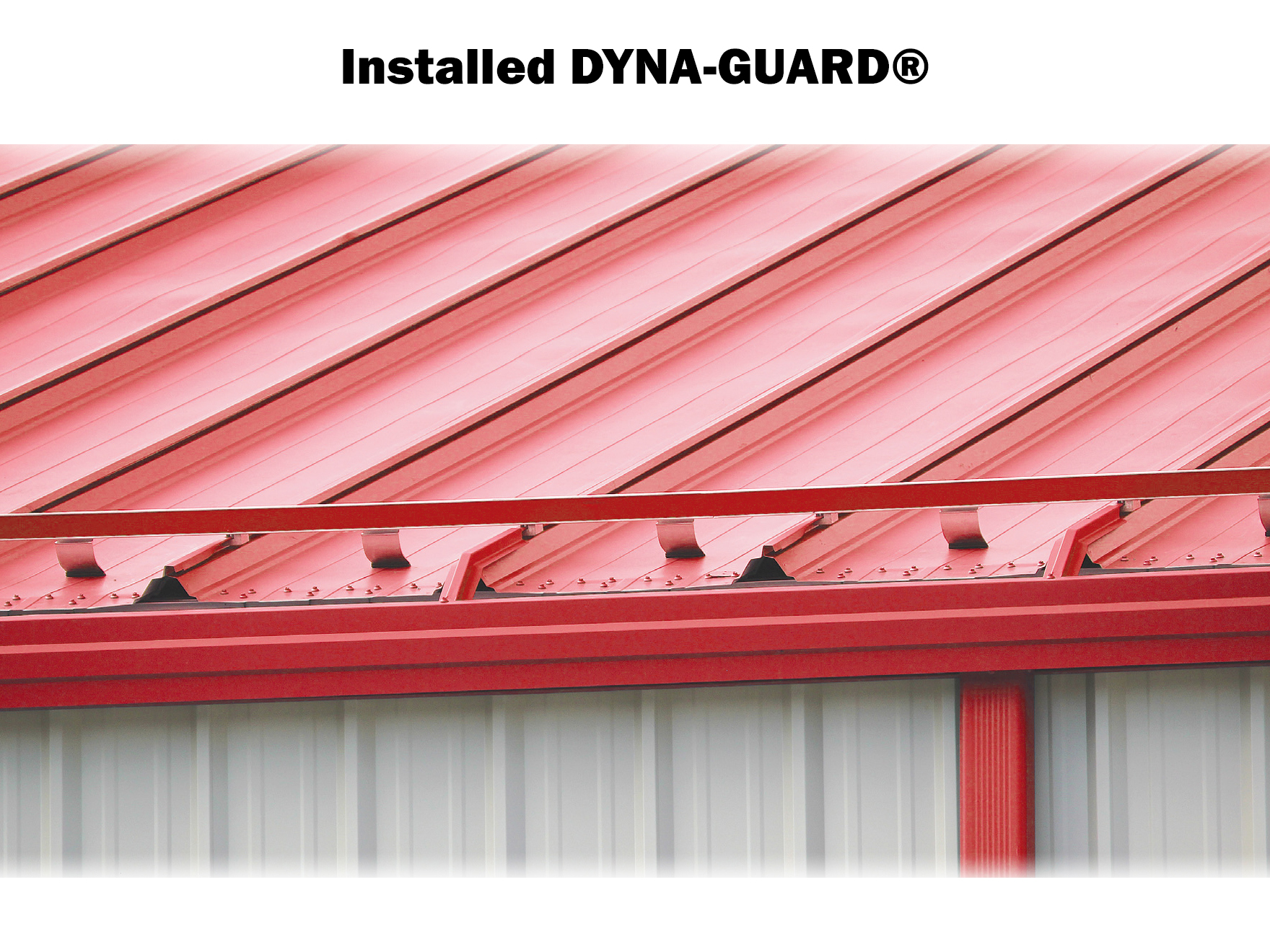
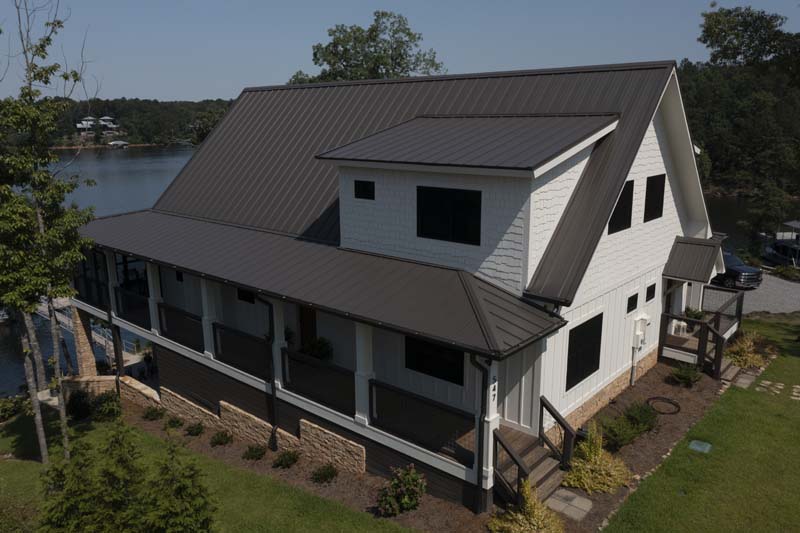
That is a big load for any structure, but especially for a roof. Snow load affects detailing, too. If you’re in an area with the potential for heavy snowfall, understanding panel strength, spans and system capacity is a must. Clips, seams, underlayment and engineered snow-retention systems must also account for freeze-thaw cycles and associated movement.
The same considerations apply beyond Colorado, from other parts of the Mountain West to the Upper Midwest and Northeast.
Snow also demonstrates why regional panel selection cannot stop at the panel itself. Roofing performance begins with the entire assembly, as well as the structure supporting it.
“Snow is a good example of why we need to think in terms of systems,” Wilson said. “Panel strength matters, but so do the supporting structure, attachment, detailing and the movement that occurs through repeated temperature changes. You must understand how those pieces work together.”
Bracing for Wind
Wind uplift is always something that should be considered at the system level. To brace against wind, panels, clips, fasteners and substrates must work together as a tested assembly.
And wind is hardly just a coastal concern.
Wilson has previously pointed to destructive wind events reaching well into the country’s interior, including the inland effects of hurricanes and derechos capable of producing significant wind gusts across landlocked states.
For contractors along the Gulf and Atlantic coasts, wind performance may be one of the first considerations. But contractors throughout the Great Plains, Midwest and other storm-prone areas should be asking many of the same questions.
Testing methods such as ASTM E1592 and UL 580 provide methods for evaluating wind-uplift performance. But ultimately, the tested assembly and correct installation matter.
“We shouldn’t think about wind performance as something that belongs to the panel alone,” Wilson said. “The panel, fasteners or clips, substrate and installation all work together. A contractor needs to know how that assembly was tested and make sure the installed roof matches the appropriate tested configuration.”
That last point is critical. Strong panels can’t compensate for improper attachment. Contractors working in areas with significant wind should focus on tested assemblies, correct fastening and installation that follows the tested configuration. The edge conditions and detection play an enormous role in the longevity of a weathertight roof system.
By the Coast
Paint and coating systems aren’t just for looks. Choosing the right coating can help panels withstand their environment over the long term.
That becomes especially important in coastal areas where moisture may carry salt and other contaminants.
Coating, substrate, fasteners and accessories should be selected as part of the same system. Distance from the coastline, building location, prevailing weather and the manufacturer’s specific requirements can all affect the appropriate specification.
“In coastal applications, material compatibility becomes extremely important,” Wilson said. “It’s another situation where we can’t look at one component in isolation. The substrate, coating, fasteners and accessories all need to be appropriate for the environment and compatible with one another.”
In the Heat
Across the Southwest and much of the South, contractors face another challenge: sustained heat and intense UV exposure.
Heat and UV exposure place long-term demands on coatings and finishes. Extreme temperatures can also contribute to thermal expansion and contraction, putting repeated movement into panels, fasteners and seams.
If you’re working in an environment where intense heat and UV exposure are common, durable coatings and appropriate reflective finishes can improve longevity. At the same time, the roofing system needs to accommodate the thermal movement that comes with changing temperatures.
“Heat shouldn’t only be viewed as a coating issue,” Wilson said. “The roof is repeatedly expanding and contracting as temperatures change. The panel system, attachment method and installation details need to be selected with that movement in mind.”
In Wildfire-Prone Areas
For contractors in parts of the West and other wildfire-prone areas, fire exposure is another consideration.
Metal is naturally noncombustible, and metal roofing can be incorporated into roof assemblies designed to achieve high levels of fire performance. Wilson has previously noted that metal roofing can be part of Class A fire-rated roof assemblies. Testing standards such as UL 790 and ASTM E108 evaluate roof-covering performance when exposed to fire-related conditions.
As with impact and wind ratings, however, the important distinction is understanding what has been tested and rated. Performance belongs to the appropriate assembly and configuration rather than simply assuming all metal roofs perform identically.
When a Region Has More Than One Challenge
Perhaps the biggest lesson from roofing in Colorado is also one of the most applicable nationwide: a roof rarely faces just one challenge.
Out West, roofs may have to perform under the combined exposure of hail, wind, snow and UV, sometimes within the same week.
In the Great Plains, roofs can experience hail, straight-line winds, heat, freezing temperatures and heavy rain. In the Northeast, the combination might include snow, ice, moisture and significant seasonal temperature swings. Along the Gulf Coast and Southeast, heat, humidity, heavy rainfall and high winds may all be considerations.
“One of the things we have to be careful about is designing around the most obvious hazard and overlooking everything else the building will experience,” Wilson said. “The best approach is to evaluate the complete exposure and then determine which roofing assembly is appropriate for those conditions.”
Lessons From Roofing Across the Country
For Legacy Metal Center, roofing in Colorado provides a front-row seat to the challenges created when multiple weather conditions converge. For Central States Manufacturing, supplying metal building products across the country broadens that perspective.
The underlying lesson is the same regardless of geography: start with the conditions the building will actually face.
Then consider the building itself, the roofing assembly, applicable test standards and installation requirements.
Certifications provide an important tool for evaluating performance, but ratings are not substitutes for correct product selection and installation. Wilson’s previous work stresses that certifications have specific boundaries and that installation has a direct effect on whether a roofing system performs as intended.
By matching a metal roofing system to the environment and designing for combined stressors, contractors can prioritize durability and resilience while reducing the risk of leaks, damage and callbacks.
Choosing the right metal panel is important.
Choosing the right metal roofing system for the building, climate and application.
Jerry Martin is the Director of Development at Legacy Metal Center, a metal panel manufacturer based in Penrose, Colorado. Driven by the company’s commitment to integrity, quality, innovation, and customer satisfaction, Martin and Legacy Metal Center have become trusted experts for premium metal roofing, siding, and trim in Colorado and surrounding states.
Andrew Wilson serves as Vice President of Engineering and Innovation at Central States Inc., overseeing product development, testing and certifications, engineering and the Project Management Office. He has served in a variety of leadership roles in the past, including supply chain and operations. He brings decades of experience working in manufacturing businesses, specializing in continuous improvement and quality management.